
Naval warfare can change in seconds, but choosing the right game comes down to the decisions you enjoy making.
Do you want to coordinate carrier strikes, manage a navy across decades, or design a battleship and discover why it refuses to stay afloat?
Our top 10 naval wargames to play in 2026 cover those different experiences, from fleet strategy to submarine simulations and shipbuilding sandboxes.
These are recommendations for 2026, not a list limited to games released this year.
Let’s get into it!
Quick summary
| Game | Choose it for |
|---|---|
| 1. Task Force Admiral | WWII carrier command and strike planning |
| 2. Sea Power: Naval Combat in the Missile Age | Cold War fleet tactics and missile warfare |
| 3. From the Depths | Engineering your own fleet and fighting with it |
| 4. Rule the Waves 3 | Ship design and decades of naval management |
| 5. War on the Sea | A Pacific campaign with direct tactical command |
| 6. Ultimate Admiral: Age of Sail | Sailing fleets, broadsides, and amphibious operations |
| 7. Cold Waters | Solo submarine hunting and evasion |
| 8. NavalArt | Detailed warship construction and naval combat |
| 9. Wolfpack | Operating a submarine together with friends |
| 10. Boat Crew | Small-boat combat and crew management |
1. Task Force Admiral – Vol.1: American Carrier Battles
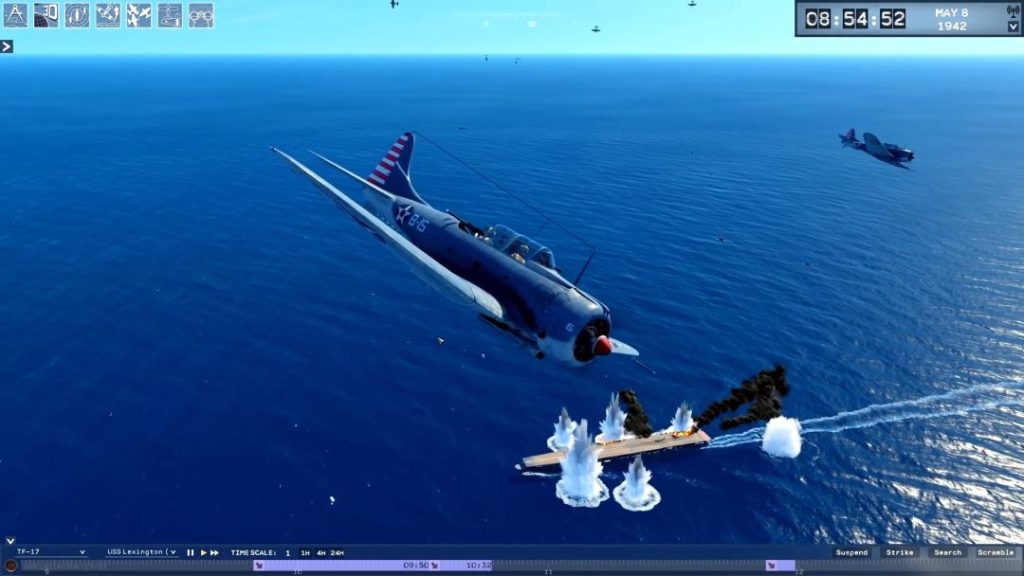
- Setting and command: Pacific War in 1942; American carrier task forces.
- Combat and modes: Pausable real-time battles; single-player scenarios and semi-random battle generators.
- Platform and status: Windows; Early Access since 2026.
Task Force Admiral puts the important decisions before the first bomb falls. You send out scouts, interpret incomplete reports, prepare air groups, and decide when a sighting justifies committing your strike aircraft.
Sending everything toward a suspected enemy position might leave your own carriers vulnerable, while waiting for better information gives the opponent more time. That uncertainty makes planning the attack as interesting as watching it unfold.
The Early Access description lists Coral Sea and Midway scenarios, with broader campaign functions planned. Treat it as a carrier-battle experience rather than a finished strategic campaign.
Ideal for: Players who enjoy reconnaissance, air-group coordination, and difficult decisions made without a complete picture of the battlefield.
Join the Insider List.
Get finished gameplay reveals, development updates, and early notice when the polished demo is ready.
No spam. Unsubscribe anytime.2. Sea Power: Naval Combat in the Missile Age
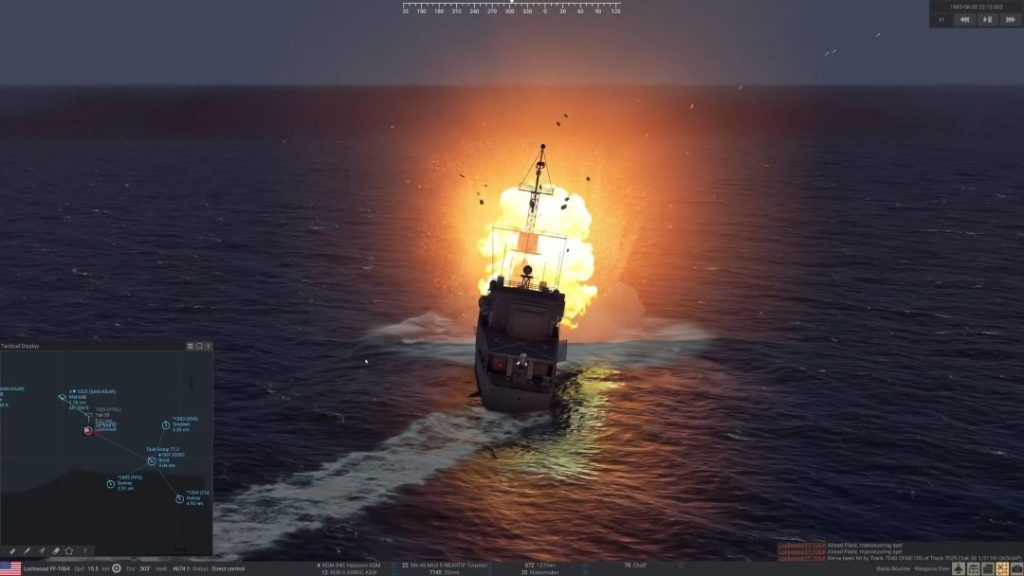
- Setting and command: Cold War naval warfare; surface ships, submarines, and aircraft.
- Combat and modes: Pausable real-time tactics; single-player scenarios, a non-dynamic campaign, mission editor, and Workshop content.
- Platform and status: Windows; Early Access since 2024.
Sea Power turns an engagement into a contest over information. Radar, sonar, electronic countermeasures, and visual identification help you work out what is out there before deciding whether to attack.
You might be hunting a submarine, protecting a convoy from bombers, or coordinating ships and aircraft against an enemy task force. The appeal comes from making those different systems work together, rather than treating each vessel as an isolated weapon.
The distinction between campaign types matters: a playable non-dynamic campaign is available, but the full dynamic campaign remains part of the development plan.
Ideal for: Players who want large-scale Cold War fleet tactics built around detection, identification, and coordinated missile warfare.
3. From the Depths
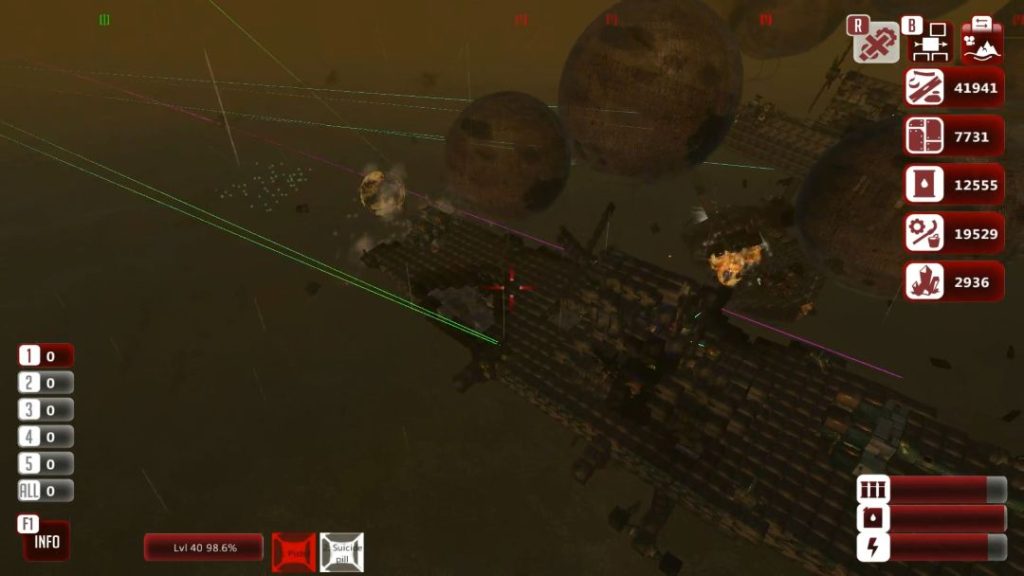
- Setting and command: Fictional naval warfare; player-designed fleets and vehicles.
- Combat and modes: Real-time combat and strategic campaigns; solo, online co-op, and competitive multiplayer.
- Platforms and status: Windows, macOS, and Linux; full release in 2020.
From the Depths makes building the fleet part of fighting the war. You assemble hulls, engines, armor, weapons, and automated controls, then put those designs against enemy forces.
Damage changes how a vessel behaves, rather than simply reducing its health. Poor buoyancy, exposed components, or an ineffective weapon layout can turn an impressive-looking battleship into an expensive lesson.
The campaign gives those lessons a purpose: improve the design, build a more capable fleet, and challenge rival factions across an island map. Creative modes and Workshop blueprints also give you room to experiment outside a campaign.
The tradeoff is complexity, with engineering decisions demanding as much attention as battlefield tactics.
Ideal for: Builders and problem-solvers who find redesigning a failed warship as satisfying as winning the next battle.
4. Rule the Waves 3
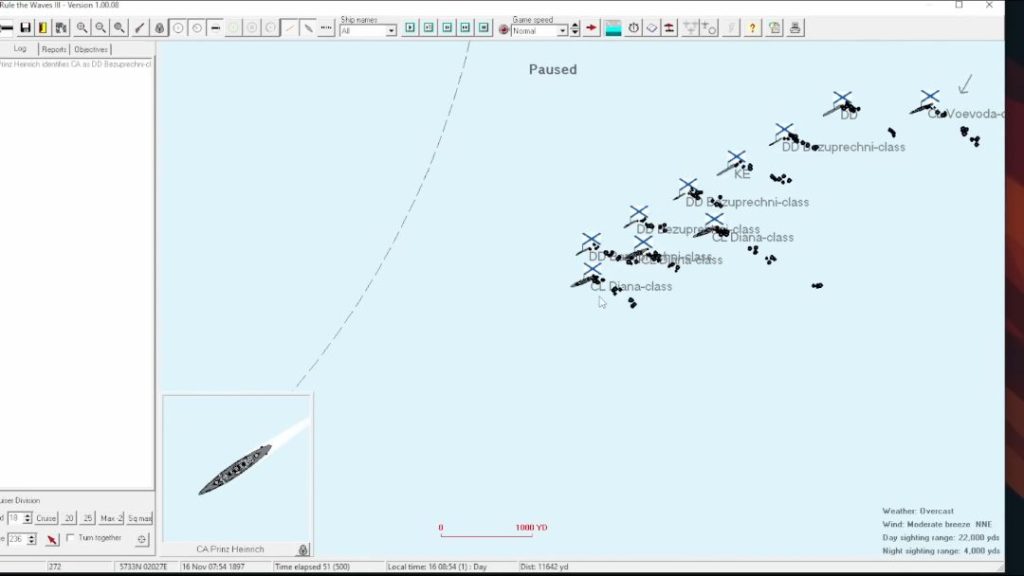
- Setting and command: Naval warfare from 1890 to 1970; an entire national navy.
- Combat and modes: Monthly strategic turns with tactical naval battles; single-player campaigns.
- Platform and status: Windows; full release in 2023.
Rule the Waves 3 asks you to build the navy that will fight the next war, not simply command the ships already available. You balance budgets, research, construction, and ship design while political interference and naval treaties complicate your plans.
A heavily armed battleship might look like a smart investment until new aircraft or missiles change the balance of power. Decisions about speed, protection, and armament therefore matter across decades, not just during one engagement.
Its menu-heavy presentation is less cinematic than the other games here, but it supports a different kind of involvement: understanding why your fleet succeeded or failed long before the first shot.
Ideal for: Players who prefer ship-design tradeoffs, naval budgets, and long-term planning to watching battles from a cinematic camera.
5. War on the Sea
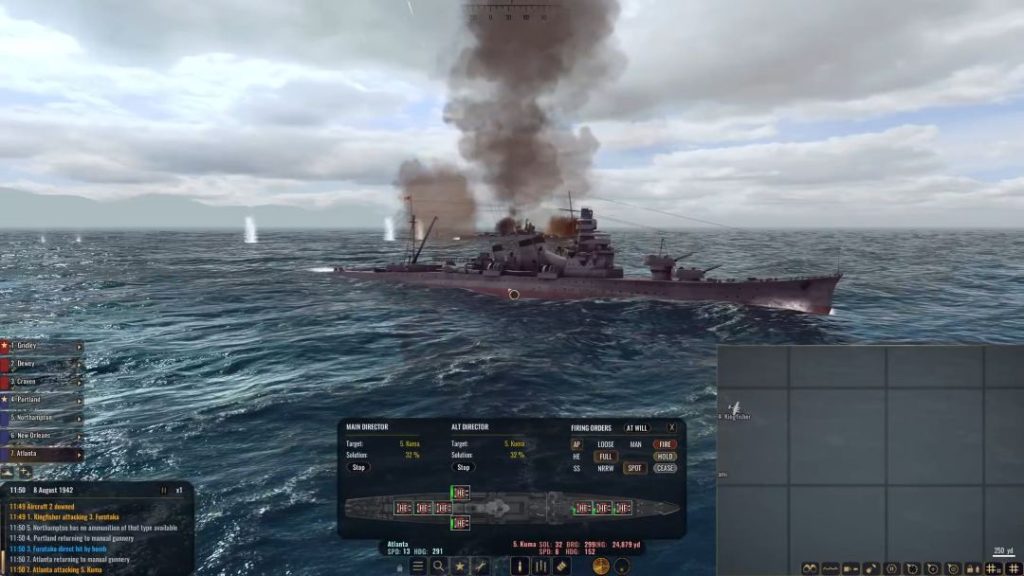
- Setting and command: The South Pacific in 1942; Allied or Japanese naval forces.
- Combat and modes: Real-time naval battles, a dynamic campaign, and historical missions; single-player.
- Platforms and status: Windows and macOS; full release in 2021.
War on the Sea connects individual battles to the wider struggle for the Solomon Islands. You decide where to send ships, how to protect transports, and when valuable carriers are worth risking.
Those decisions carry into engagements where you directly control ships and aircraft. Fires, flooding, repairs, and buoyancy can turn a damaged vessel into an urgent rescue problem instead of an expendable unit.
The link between operations and combat is the main attraction. Winning a surface engagement matters less if your transports never reach their destination, or if the victory leaves another route exposed.
Expect to divide your attention between the campaign map and individual battles rather than focus exclusively on one ship.
Ideal for: Players who want to plan a Pacific naval campaign and personally command the engagements their decisions create.
6. Ultimate Admiral: Age of Sail
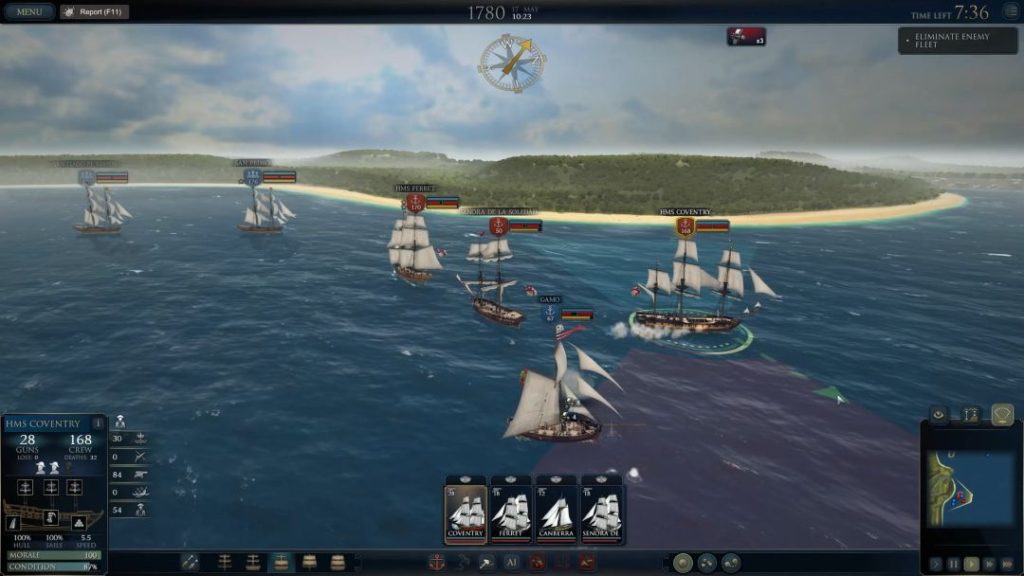
- Setting and command: American Revolutionary and Napoleonic-era warfare; sailing fleets and land forces.
- Combat and modes: Real-time tactical battles; single-player campaigns with naval, land, and amphibious operations.
- Platform and status: Windows; full release in 2021.
Ultimate Admiral: Age of Sail makes the wind a tactical constraint, not background decoration. Your route, firing angle, and ability to bring guns to bear all depend on how your ships maneuver under sail.
You can concentrate fire on vulnerable parts of an enemy vessel, damage its fighting ability, or attempt to capture it through boarding. Crews gain experience, and surviving ships can receive new weapons and improvements between engagements.
The reward is the sight of a carefully positioned battle line delivering broadsides at the right moment. However, the campaigns also include land battles and amphibious assaults, so this is not a sailing-only experience.
Ideal for: Players drawn to wooden warships, wind-driven positioning, fleet progression, and combined naval-and-land campaigns.
7. Cold Waters

- Setting and command: A fictional Cold War conflict; one nuclear submarine.
- Combat and modes: Real-time submarine tactics and a dynamic campaign; single-player.
- Platforms and status: Windows and macOS; full release in 2017.
Cold Waters builds its tension around threats you cannot immediately see. Sonar contacts give you clues, but identifying a target and finding a safe firing position are separate problems.
Closing in may improve your torpedo attack, while firing missiles from farther away can invite a response from enemy escorts. Surface ships, submarines, and aircraft all complicate the decision about when to strike and how to escape.
The focus stays on commanding the submarine tactically rather than manually operating every station. That gives it a different appeal from Wolfpack without removing the importance of detection, positioning, and weapon choice.
It is an older release, but its role on this list is specific: a solo submarine campaign built around hunting and evasion.
Ideal for: Players who enjoy patient submarine tactics without managing an entire fleet or coordinating a human crew.
8. NavalArt

- Setting and command: Historical-style and custom warships across multiple eras.
- Combat and modes: Shipbuilding and real-time combat; solo modes, online competitive battles, and co-op missions.
- Platform and status: Windows; Early Access since 2018.
NavalArt is a shipbuilding sandbox where the vessel you design becomes the vessel you fight with. You shape hulls, arrange armor and weapons, run sea trials, and test the results in battles and operations.
Its carrier systems add another layer, with squadron roles, altitude, and air superiority affecting aerial engagements. Workshop ships also let you try community designs rather than build everything yourself.
The main appeal is moving between designer and commander. A layout that looks convincing in the dock still has to prove itself at sea.
Campaign content remains in development, so the construction and testing process should be part of the attraction rather than something you tolerate while waiting for a finished historical campaign.
Ideal for: Naval enthusiasts who want detailed warship design, historical-style equipment, and battles that put their creations to the test.
9. Wolfpack
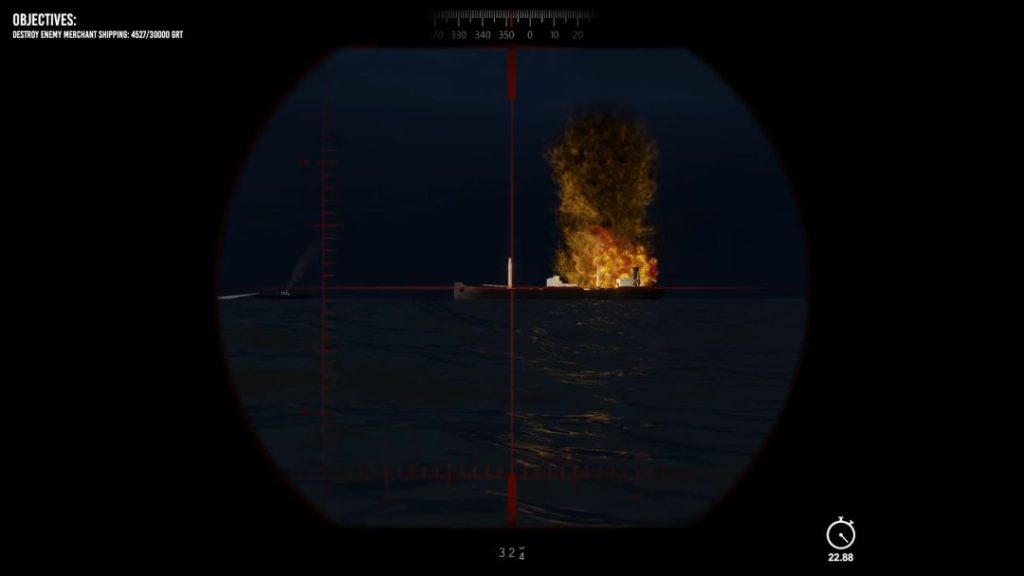
- Setting and command: World War II; a German U-boat operated from a first-person perspective.
- Combat and modes: Real-time submarine simulation; online co-op or solo play with bots.
- Platform and status: Windows; Early Access since 2019.
Wolfpack makes teamwork part of the submarine’s machinery. Players operate instruments, handle steering and depth, listen for contacts, and calculate attacks while sharing the same vessel.
A successful interception depends on the crew communicating and completing its tasks, not simply on one player issuing a perfect attack order. Multiple crews can also operate separate submarines together.
This is a hands-on submarine simulator rather than a fleet strategy game. Its current Skirmish mode centers on attacking escorted convoys, while the persistent Career mode remains described as forthcoming.
The attraction is learning to function as a crew, including the moments when everyone discovers that somebody misunderstood a very important instruction.
Ideal for: Patient co-op groups that enjoy manual systems, clear communication, and the shared responsibility of keeping one submarine alive.
10. Boat Crew

- Setting and command: World War II in the Solomon Islands; a PT boat and its crew.
- Combat and modes: Real-time action-strategy, a dynamic campaign, and challenge scenarios; single-player and online co-op.
- Platform and status: Windows; Early Access since 2022.
Boat Crew puts you on the smaller, more vulnerable side of naval warfare. A lightly armored patrol torpedo boat cannot win every encounter through firepower, so positioning, target selection, and knowing when to leave become central decisions.
Between attacks, you manage personnel, assign tasks, develop crew skills, and adjust the boat’s equipment. The dynamic campaign connects those choices to raids, convoy protection, and attacks on strategic targets.
It offers a more personal scale than directing a carrier group: the same small crew must survive the consequences of your decisions. Its action-strategy approach also makes it a different proposition from the more methodical simulations above.
Ideal for: Players who want smaller-scale naval combat with crew progression and campaign decisions, rather than the responsibility of commanding an entire navy.
Join the Insider List.
Get finished gameplay reveals, development updates, and early notice when the polished demo is ready.
No spam. Unsubscribe anytime.Conclusion
Some players want to plan an entire war; others want to survive one patrol.
Choose the naval wargame whose decisions sound enjoyable, not simply the one with the biggest ships.
Want to expand the battle on the land? Check out the best wargames.