
Whether you just want to chill and build, or manage every road, resource, and production chain, this list has you covered.
Our picks for the best city builder games focus on newer releases and recent standouts, ranging from relaxed town building to demanding economic and logistics simulations.
Let’s get into it!
Quick Comparison
| Game | Best For | Positive Steam Reviews |
| Town to City | Relaxed building and detailed town design | 4,000+ |
| Timberborn | Water engineering and vertical construction | 23,200+ |
| Nova Roma | Roman cities and water management | 1,400+ |
| Corsair Cove | Pirate settlements and complex supply chains | 1,200+ |
| Airborne Empire | Flying cities, quests, and adventure | 700+ |
| Pompeii: The Legacy | Roman management and family politics | 200+ |
| Whiskerwood | Automation and detailed colony management | 1,600+ |
| Manor Lords | Medieval settlements and tactical battles | 34,900+ |
| Against the Storm | Replayable, run-based city building | 18,100+ |
| Foundation | Organic medieval towns and creative construction | 9,600+ |
| The Wandering Village | Survival on the back of a giant creature | 3,700+ |
| Workers & Resources: Soviet Republic | Detailed transport, infrastructure, and industry | 7,800+ |
Join the Insider List.
Get finished gameplay reveals, development updates, and early notice when the polished demo is ready.
No spam. Unsubscribe anytime.1. Town to City
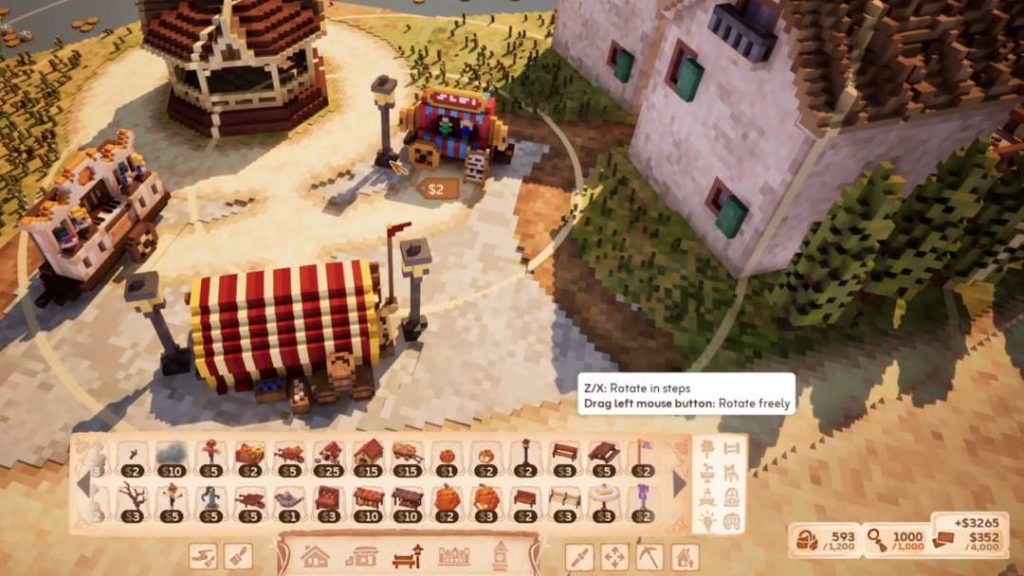
Town to City is a relaxed, grid-free city builder set in a nineteenth-century Mediterranean-inspired world.
You arrange houses, shops, gardens, and plazas while helping a small community grow into a busy town, then expand into a connected region.
- Release/status: Full release in May 2026 after entering Early Access in 2025.
- Building style: Grid-free placement with detailed decoration, landscaping, and winding streets.
- Management focus: Jobs, social classes, resident requests, trade, and connections between towns.
- Best for: Players who enjoy building attractive towns without making difficult logistics the entire experience.
What makes it stand out: Town design is a major part of the game rather than something squeezed between emergencies.
There is still an economy to manage, but spending an evening getting one plaza exactly right feels just as worthwhile.
That balance between managing a functioning town and simply enjoying what you have built earns Town to City our top spot.
2. Timberborn
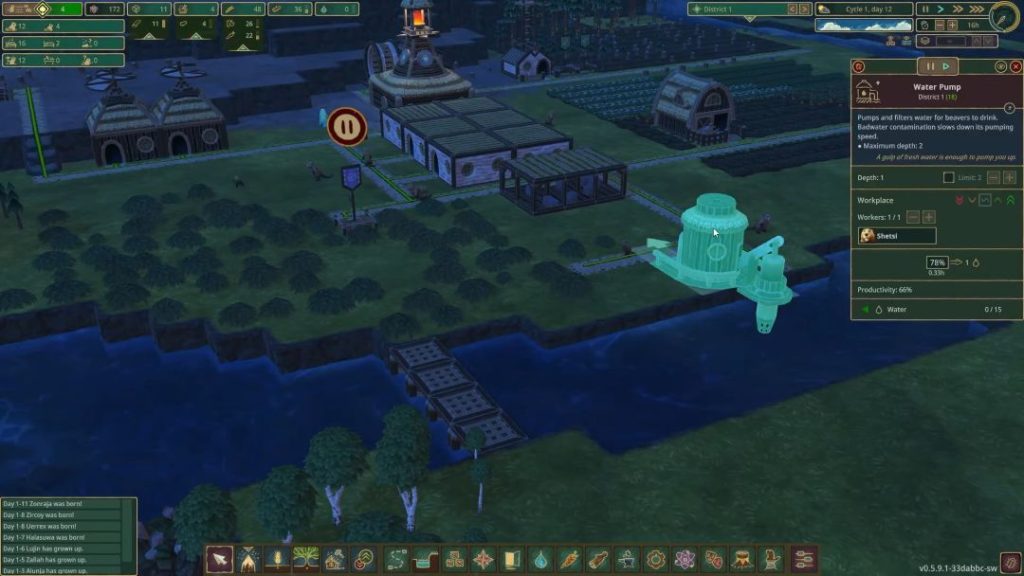
Timberborn is a beaver city builder where water determines whether your colony survives.
Rivers can dry up or become contaminated, making dams, reservoirs, irrigation, and terrain changes essential parts of your settlement.
- Release/status: Full release in March 2026.
- Building style: Vertical construction, bridges, platforms, dams, and large engineering projects.
- Management focus: Water storage, food production, droughts, power, automation, and environmental hazards.
- Best for: Players who like engineering problems and settlements built around interconnected systems.
What makes it stand out: Water is not simply another resource bar.
A well-placed dam can keep an entire farming district alive when the river stops flowing.
As your colony grows, simple wooden structures gradually turn into an impressive network of pumps, power systems, vertical buildings, and automated production.
3. Nova Roma
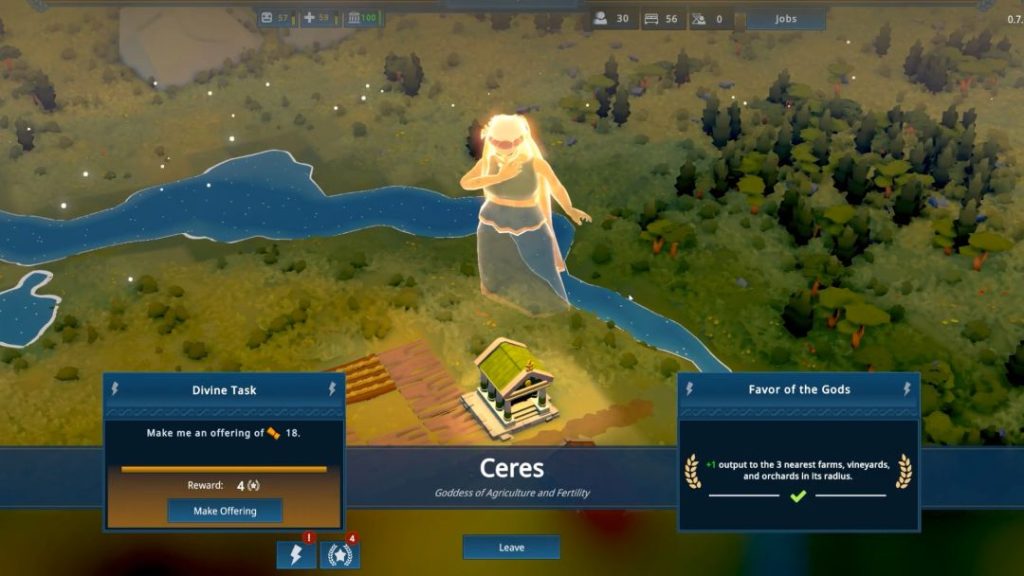
Nova Roma combines Roman city building with water and weather systems that can completely change your plans.
Aqueducts, reservoirs, and dams support your population, but altering water flow can also affect soil fertility or flood parts of your city.
- Release/status: Early Access since March 2026.
- Building style: Roman settlements supported by aqueducts, dams, roads, and distant resource sites.
- Management focus: Production chains, taxation, citizens’ needs, water, religion, and environmental conditions.
- Best for: Ancient-city fans who want infrastructure to play a major role in how their settlement develops.
What makes it stand out: You are not simply finding good land and placing buildings on it.
You can reshape the environment itself to support the city.
Temples and religion add another pressure, since keeping the gods satisfied can provide useful blessings while neglecting them creates additional problems.
Nova Roma is still in Early Access, but its combination of Roman city building and functional water engineering already gives it a strong identity.
4. Corsair Cove
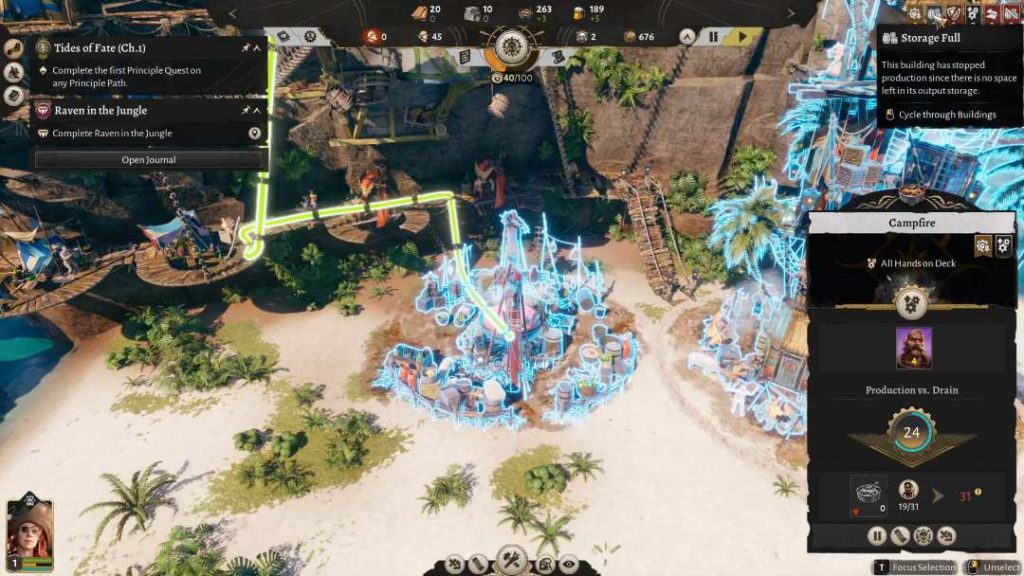
Corsair Cove is a pirate city builder where limited flat ground forces your settlement across cliffs and hills.
Homes and workshops spread across different heights, with bridges, lifts, and ziplines moving goods between them.
- Release/status: Released in July 2026.
- Building style: Vertical island settlements built across difficult terrain.
- Management focus: Production chains, transportation, population needs, shipbuilding, equipment, and expeditions.
- Best for: Players who enjoy logistics but want something very different from another traditional medieval town.
What makes it stand out: The landscape becomes part of the logistics challenge.
Your growing fleet also depends directly on the city supporting it.
Better ships need specialist crews, those crews need equipment, and that equipment requires a functioning production network back home.
Expeditions and raids then give you access to resources that your island cannot produce itself.
5. Airborne Empire
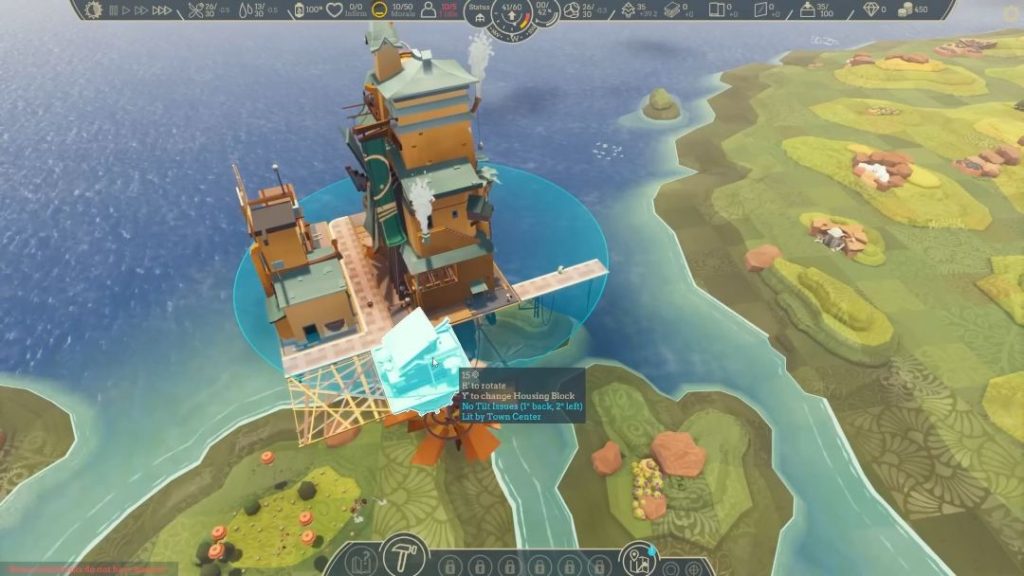
Airborne Empire puts your entire city in the sky.
You manage its population and resources while balancing the lift, weight, and propulsion required to keep the settlement airborne.
- Release/status: Full release in April 2026 after entering Early Access in 2025.
- Building style: A mobile flying city where construction affects balance and flight.
- Management focus: Resources, residents, technology, movement, quests, and aerial defense.
- Best for: Players who want city management mixed with adventure and discovery.
What makes it stand out: Your city is also your vehicle.
Rather than staying on one map, you travel between kingdoms, complete quests, discover new technology, and bring your entire population with you.
Pirates introduce aerial combat and defensive construction, while pacifist and Creative modes are available for players who would rather focus on building.
6. Pompeii: The Legacy
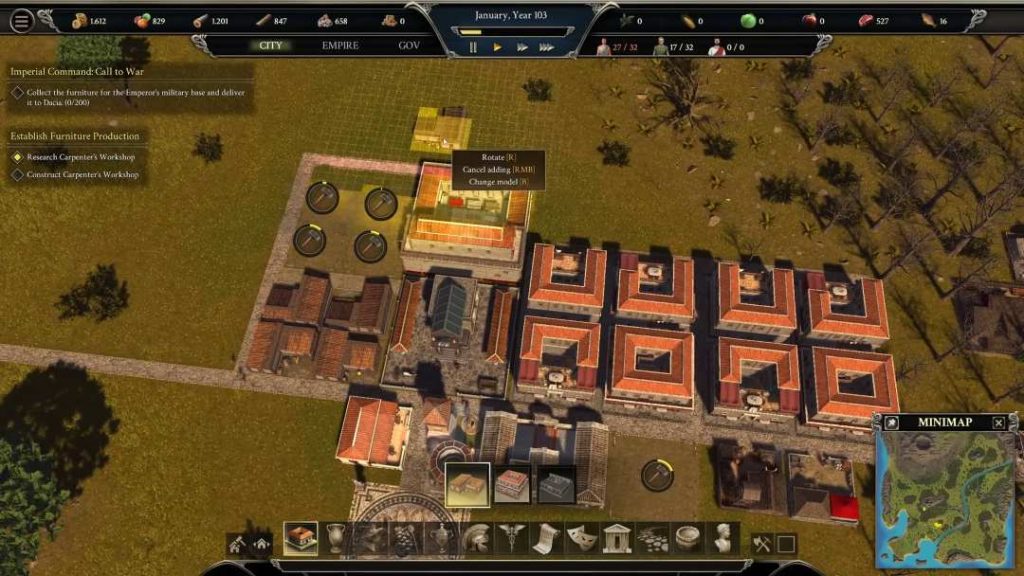
Pompeii: The Legacy imagines rebuilding the famous Roman city after its destruction.
You lead a family across generations while developing housing, markets, infrastructure, trade, and political influence.
- Release/status: Full release in April 2026 after entering Early Access in 2025.
- Building style: Roman urban development with aqueducts, markets, temples, housing, and public buildings.
- Management focus: Social classes, trade, laws, disasters, political relationships, and family influence.
- Best for: Players who want Roman city building with a longer campaign and political layer.
What makes it stand out: Growing the city also means growing your family’s position.
Relationships, alliances, laws, and imperial politics give expansion a purpose beyond simply increasing population.
Fires, disease, earthquakes, and other disasters also threaten your progress as different social classes demand increasingly better services.
7. Whiskerwood
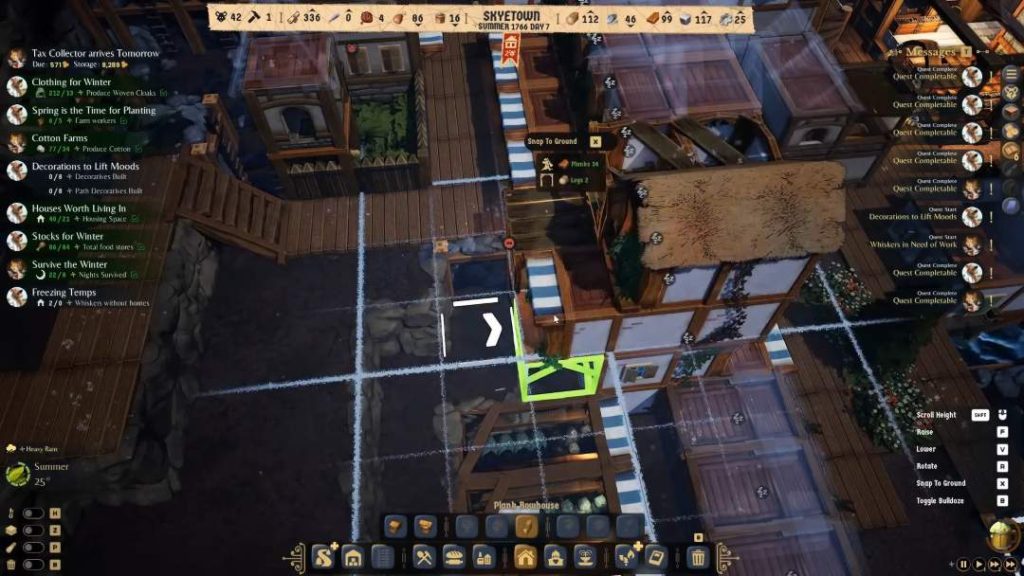
Whiskerwood puts industrious mice in charge of building a colony for demanding cat overlords.
Behind the charming setting is a detailed management game built around production, transport, heating, agriculture, and individual residents.
- Release/status: Early Access since November 2025.
- Building style: Vertical construction, underground expansion, conveyors, and elevators.
- Management focus: Automation, transport, production, resident needs, climate, and regular shipments to the cats.
- Best for: Players who enjoy automation but still want individual residents to matter.
What makes it stand out: Increasing production is only half the challenge.
You need to satisfy the cats without making life miserable for the mice actually doing the work.
Residents have their own traits and preferences, while limited space encourages you to build upward and dig into the terrain.
The cute presentation hides a surprisingly demanding industrial city builder underneath.
8. Manor Lords
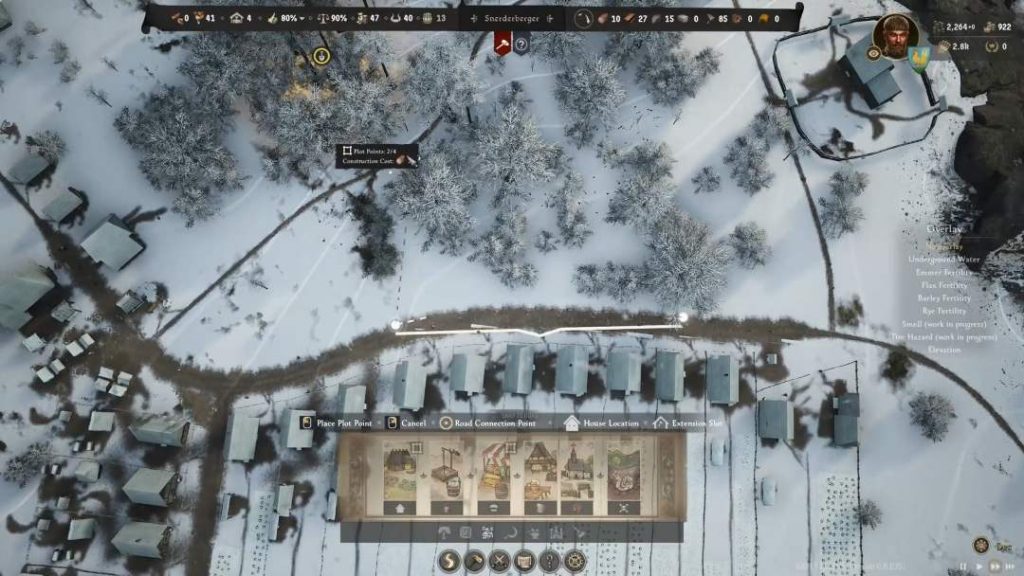
Manor Lords combines detailed medieval settlement building with real-time tactical battles.
Your residents farm, produce goods, trade, and prepare for winter, while the same population supplies the militia defending your territory.
- Release/status: Early Access since April 2024.
- Building style: Organic, grid-free medieval settlements with flexible residential plots.
- Management focus: Agriculture, production, trade, population growth, seasons, and warfare.
- Best for: Players who want their medieval economy directly connected to military conflict.
What makes it stand out: Your army is part of your population.
Calling residents into battle removes workers from the economy, while casualties mean losing actual members of the settlement rather than disposable military units.
Residential planning also matters because larger housing plots can support productive extensions such as vegetable gardens.
It remains in Early Access, but few city builders connect settlement life and medieval warfare directly.
9. Against the Storm
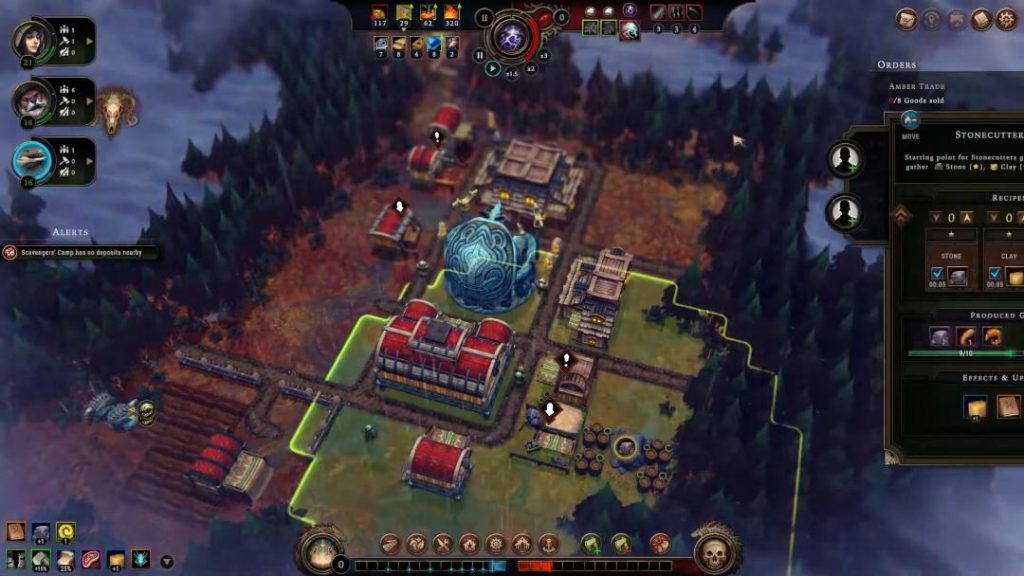
Against the Storm takes the opening stages of a city builder and turns them into the core of a roguelite.
Rather than maintaining one city forever, you establish settlements, complete objectives, earn rewards, and move on to the next challenge.
- Release/status: Full release since December 2023.
- Building style: Compact settlements built during repeatable runs.
- Management focus: Resource scarcity, different species, changing building options, dangerous weather, and procedural challenges.
- Best for: Players who enjoy starting new cities more than maintaining one successful settlement indefinitely.
What makes it stand out: You cannot simply repeat the same perfect layout every game.
Available resources, buildings, species, and conditions change between settlements.
Cutting deeper into the forest can reveal valuable resources or introduce a problem your settlement is nowhere near ready to handle.
For players who often lose interest once a city becomes self-sufficient, Against the Storm keeps bringing back the most demanding part of the genre.
10. Foundation
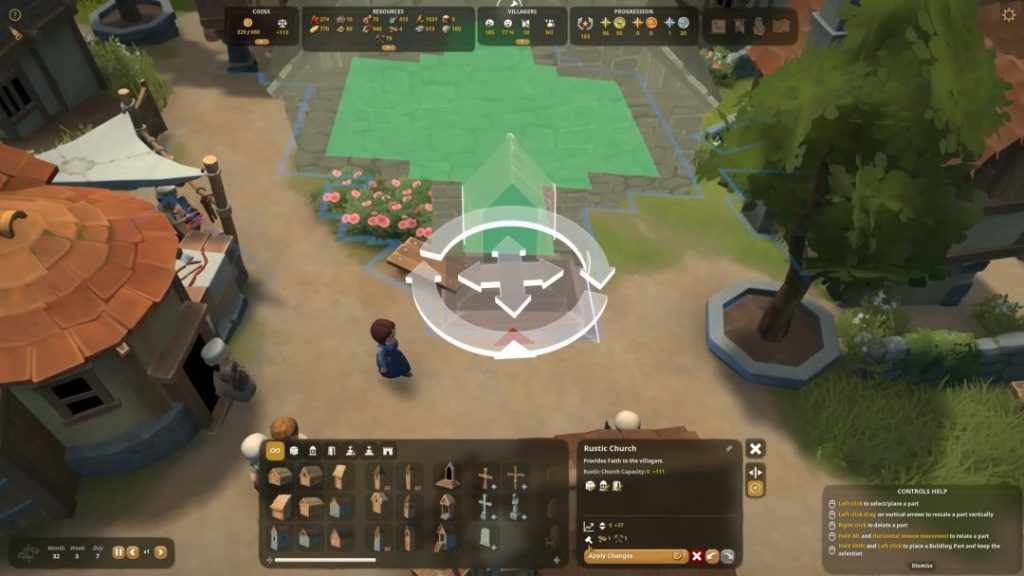
Foundation is a grid-free medieval city builder centered on organic settlement growth.
Rather than placing every road and home individually, you designate areas for development and let parts of the town form naturally around the landscape.
- Release/status: Full release in January 2025 after a long Early Access period.
- Building style: Organic settlements with zoning and modular monument construction.
- Management focus: Production, jobs, trade, taxation, and development through Labor, Clergy, and Kingdom.
- Best for: Players who want medieval management with plenty of room for architecture and atmosphere.
What makes it stand out: Your settlement can look like somewhere that developed naturally over time rather than a perfectly measured grid.
Its modular construction system also lets you assemble major buildings from individual pieces instead of repeatedly placing identical structures.
It is a good middle ground for players who want a functioning medieval economy without turning every session into a survival crisis.
11. The Wandering Village
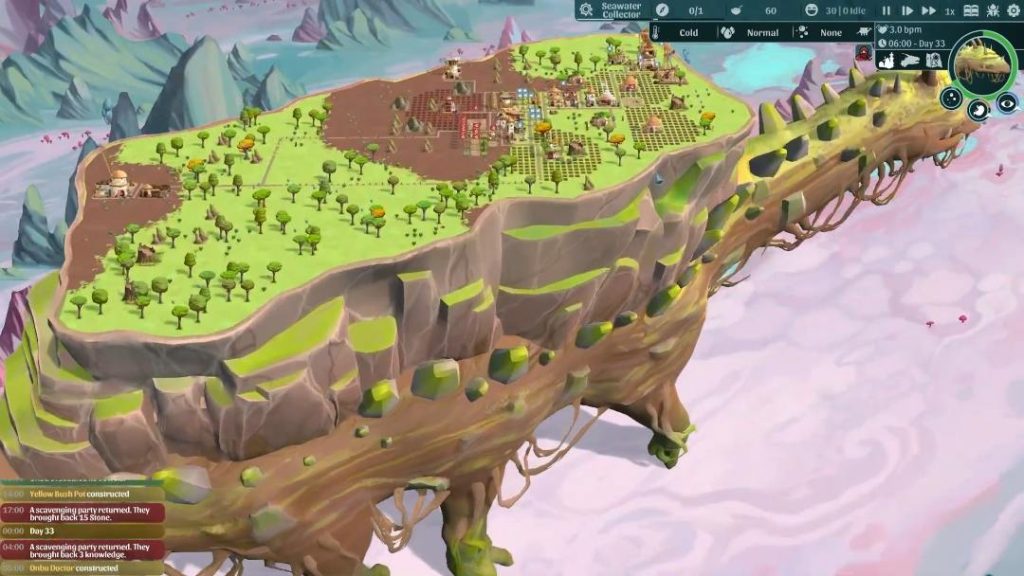
The Wandering Village places your entire settlement on the back of Onbu, a massive creature traveling through a poisoned world.
You build a functioning community in limited space while adapting to changing climates, environmental hazards, and wherever Onbu carries you next.
- Release/status: Full release in July 2025.
- Building style: Compact settlement construction on a living, moving creature.
- Management focus: Food, water, production, poison, scavenging, research, and Onbu’s wellbeing.
- Best for: Survival city builder fans who want an unusual relationship between their settlement and the world around it.
What makes it stand out: Keeping the village alive also means deciding how you treat the creature carrying it.
You can care for Onbu and develop a mutually beneficial relationship, or prioritize your villagers even when it comes at the creature’s expense.
Scavenging expeditions bring back supplies and technology, but the environment surrounding your home never stays still for long.
12. Workers & Resources: Soviet Republic
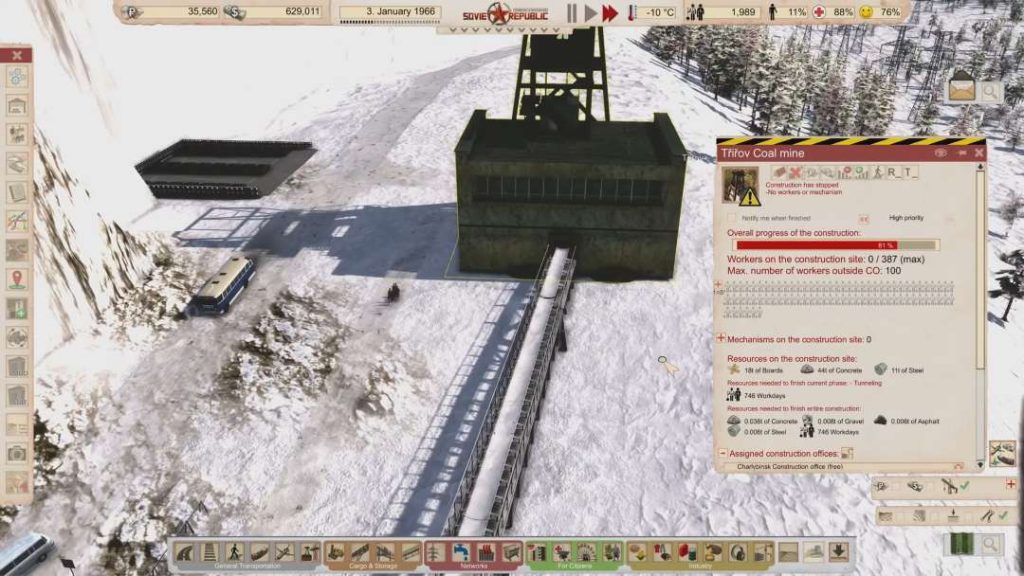
Workers & Resources: Soviet Republic is for players who want to understand how almost every part of their city actually works.
Instead of simply paying for a factory and watching it appear, you can supply construction materials, bring workers to the site, connect utilities, and organize the transport needed to keep it productive.
- Release/status: Full release since June 2024.
- Building style: Large industrial cities connected through detailed transport and infrastructure networks.
- Management focus: Construction, production, utilities, heating, public transport, logistics, education, healthcare, and industry.
- Best for: Players who enjoy complex infrastructure and solving problems across interconnected systems.
What makes it stand out: Problems rarely exist in isolation.
A factory performing badly might not need another upgrade at all.
The real problem could be a bus route that fails to deliver enough workers, a shortage farther down the production chain, or infrastructure that cannot keep up with demand.
The difficulty settings allow you to reduce some of that complexity, but this is easily one of the deepest city builders on the list.
Join the Insider List.
Get finished gameplay reveals, development updates, and early notice when the polished demo is ready.
No spam. Unsubscribe anytime.Conclusion
The best city builder games can be relaxing, brutally complicated, or somewhere comfortably in between.
You can spend hours perfecting a Mediterranean town in Town to City, redesign an entire water system in Timberborn, or lose yourself in the logistics of Workers & Resources.
There really is something here for every type of builder.
Pick the one that matches how you like to play, start with a few houses, and somehow realize it is 2 AM five hours later.
If you liked this list, check out the best base-building tower defense games.