
Ready to outthink your opponents rather than outclick them?
Turn-based strategy games give you the time to plan, adapt, and execute your perfect move whether you’re leading an empire or commanding a squad.
These games stand out because they reward thoughtful decision-making over quick reflexes, letting you take control at your own pace.
In this post, we’ll cover the best turn-based strategy games to play in 2026, why each one is worth your time, and what makes them stand out so you can pick the one that best fits your playstyle and schedule.
Join the Insider List.
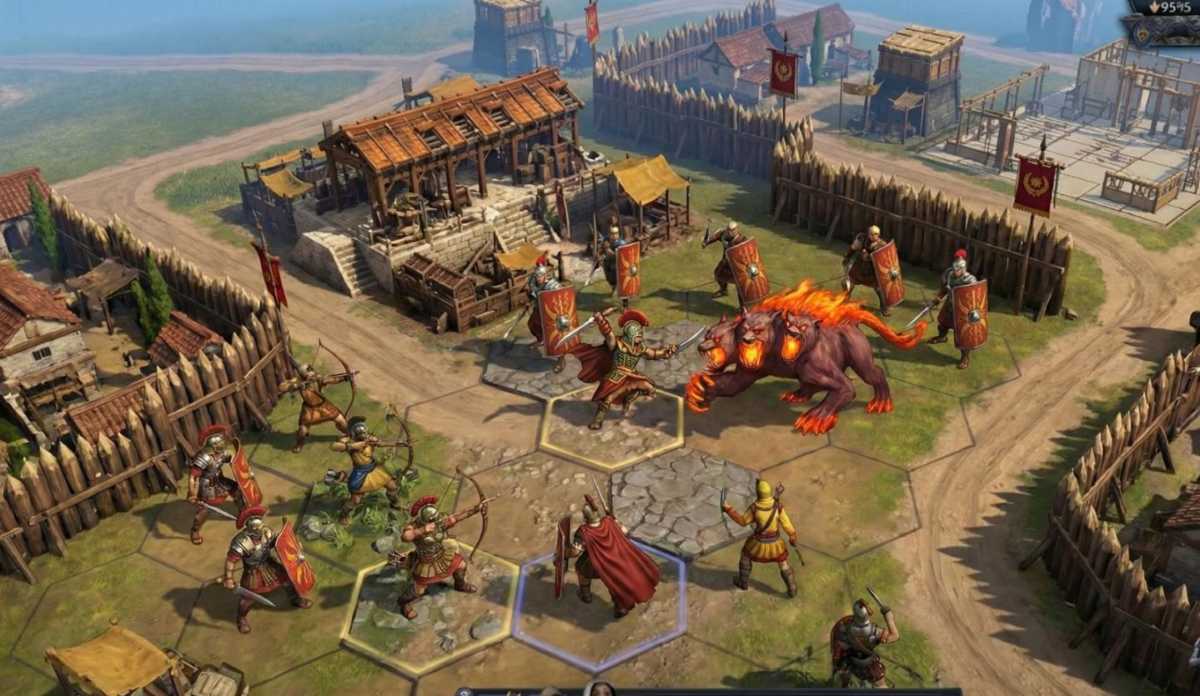
Get finished gameplay reveals, development updates, and early notice when the polished demo is ready.
No spam. Unsubscribe anytime.What Makes a Good Turn-Based Strategy Game?
Not every strategy game hits the mark, and with so many options available, it helps to know what separates the best from the rest.
Here are the key qualities that define a standout turn-based strategy experience:
- Replayability: A strong turn-based game should feel different every time you play. Randomized maps, multiple factions, or customizable rule sets keep matches fresh and encourage creative strategies rather than predictable routines.
- Strategic Depth: The best games offer meaningful choices, how you expand, what units you build, which technologies you pursue, and how you interact with rivals. Each decision should shape the outcome in unique ways, rewarding planning and adaptability.
- Competent AI & Multiplayer Options: AI opponents should challenge you to improve without feeling unfair or predictable. And for players who want human competition, smooth multiplayer modes, hot seat, play-by-email, simultaneous turns, or online matchmaking, keep the experience engaging.
- Accessibility and Longevity: A good turn-based strategy game is approachable for newcomers yet deep enough to hold the attention of veterans. Support for multiple platforms, modding, or regular content updates extends a game’s lifespan and ensures an active community for years.
These qualities together determine whether a game earns long-term loyalty or quickly fades into the backlog. The titles in this list all deliver on at least one of these points exceptionally well , some on all of them.
About This List
This list highlights turn-based strategy games that are still worth your time in 2026. It isn’t just about historical classics, it also includes modern titles that bring new ideas to the table or still have strong communities years after release.
How We Chose These Games
- Active Player Communities: Each game still has a measurable player base or ongoing developer support, ensuring you’re not diving into an empty lobby or abandoned title.
- Replay Value: Games that encourage multiple playthroughs through random maps, faction variety, or mod support rank higher on our list.
- Genre Variety: We included a mix of empire builders, tactical battle simulators, and even deck-building strategy to show the breadth of what turn-based strategy can offer.
- Availability & Support: Titles needed to be playable on current platforms and updated enough to feel relevant today.
The detailed breakdown for each entry covers:
- Game type & subgenre
- Match scale and average length
- Factions or customization options
- Progression systems and AI quality
- Price, platforms, and player base
- What makes it stand out and who it’s ideal for
If you’re new to the genre, this list is designed to give you an overview of what’s out there. If you’re a veteran, it may highlight a few titles you’ve overlooked or inspire a return to an old favourite.
Without further ado, let’s dive into the list!
1. Age of Wonders 4
- Genre & Subtype: 4X turn‑based strategy, high‑fantasy empire‑builder.
- Match scale: Random or story realms spanning a full overworld map; 1–8 players by default (mods push this to 12).
- Factions / load‑outs
20 ready‑made cultures plus a deep creator that mixes physical form, culture, traits and Tomes of Magic for truly bespoke races; pick Champion or Wizard‑King as ruler archetype. - Progression system: In‑match: tiered Tomes unlock spells and unit evolutions.
Meta‑game: Pantheon progression carries your victorious rulers forward, unlocking new cosmetics and realm options. - AI quality: Tactical AI presses flanks and priorities smartly, praised in post‑launch reviews, though the world‑map AI can play cautiously late‑game even after patches.
- Match duration
- Medium realm vs AI: ~6‑10 h.
- Huge or many‑player realm: 12‑20 h+.
- PBEM/simultaneous‑turn games can stretch across days.
- Price: US$49.99 base on Steam and consoles, regularly discounted to the low‑$30s; several DLC packs and two season passes expand content.
- Platforms: Windows PC (Steam, Epic, GOG), PlayStation 5, Xbox Series X|S
- Player base: ≈1.9k average and 3.4k peak concurrent players on Steam in February 2026.
Quick notes
- Six‑unit tactical battles mix morale, terrain and army synergies.
- Procedural realm generator plus curated story realms give fresh layouts every run.
- Quarterly DLC cadence adds new Tomes, forms and scenarios.
- Workshop and official mods supply extra map sizes and 12‑player lobbies.
- Online, hot‑seat and cloud/PBEM options; simultaneous turns mean less waiting.
What makes it stand out: The race‑and‑ruler creator paired with Pantheon progression lets you keep refining and re‑importing your own fantasy civilisation from game to game.
Ideal for: Players who enjoy shaping personalised factions and don’t mind long‑form campaigns where the thrill comes from creative empire builds rather than blister‑fast matches. Also, it’s a great game like Heroes of Might and Magic with its style of combat.
2. Sid Meier’s Civilization VI
No list can be without one of the most famous turn-based multiplayer games – Civ 6.
- Genre & Subtype: 4X turn‑based strategy, historical empire‑builder.
- Match scale: Procedural hex maps in six sizes, with 1–12 human slots plus dozens of city‑states; supports hot‑seat, Play‑by‑Cloud or live online play in either simultaneous or sequential turns.
- Factions / load‑outs: After all DLC you can pick from 60‑plus civilizations and more than 70 leaders, then layer on optional modes such as Secret Societies or Zombie Defense for extra quirks.
- Progression system: Inside a match: parallel tech and civics trees unlock buildings, units and policy cards, while Era Score triggers Golden or Dark Ages. There is no permanent meta‑progress outside achievements.
- AI quality: Battle AI handles flanking and retreats reasonably on higher settings, yet long‑term planning and late‑game diplomacy are still shaky unless you add community mods like Real Strategy or Late Game AI.
- Match duration:
- Quick duel ≈ 4–6 h.
- Standard map ≈ 8–12 h.
- Huge marathon/PBEM 20 h + over several sittings.
- Price: Base game lists at US$59.99 on Steam; the Anthology bundle drops below $10 in seasonal sales, and the Platinum Edition was even free on Epic (July 17–24 2025).
- Platforms: Windows, macOS, Linux, iOS, Android, Nintendo Switch, PlayStation 4, Xbox One (Steam Deck verified).
- Player base: ≈ 33k average and ≈ 52k peak concurrent Steam users in February 2026; all‑time peak 162k.
Quick notes
- Districts push city planning into a placement puzzle.
- Rise & Fall and Gathering Storm add loyalty, governors and world climate events.
- New Frontier Pass and Leader Pass kept fresh civs, leaders and modes arriving through 2023.
- Steam Workshop and mod.io host thousands of UI, balance and scenario mods.
- Cross‑save between PC and Switch is available via a linked 2K account.
What makes it stand out: The unstacked district layout plus a vast leader list means every map demands a new build order and diplomatic script rather than a single “best” playbook.
Ideal for: History buffs who revel in long‑form world domination and are happy to tweak settings, or add mods, to keep the AI interesting.
3. Total War: Warhammer III
- Genre & Subtype: Turn-based grand-strategy campaign with real-time tactical battles.
- Match scale: Realm-of-Chaos or Immortal Empires maps; 1–8 human slots (plus AI) in simultaneous-turn campaigns, and 1v1-4v4 custom battles for quick skirmishes.
- Factions / load-outs: Update 6.0 lifts the roster to 100 legendary lords spread across 27 playable races; the Daemon-Prince creator even lets you piece together your own abomination.
- Progression system: Campaign: province building, three-branch tech trees, lord & hero skill lines, army veterancy, Chaos Rifts and end-game crises.
Meta: free “Custodian” patches and lord/race packs add rules and units, no account-level grind needed. - AI quality: The 5.0 “Thrones of Decay” patch (May 2025) sharpened siege logic, recruitment and flanking, though late-game turns on huge maps can still stretch past a minute.
- Match duration
- Realm of Chaos story ≈ 8–12 h (60-100 turns).
- Immortal Empires sandbox ≈ 20–35 h (150-250 turns).
- Single domination battle 15–30 min.
- Price: US$59.99 base on Steam/Epic; big promotions drop it to roughly $20 (-60%). It left PC Game Pass in August 2023.
- Platforms: Windows PC (Steam, Epic, Microsoft Store), plus macOS & Linux ports via Feral Interactive with full Workshop mod support.
- Player base: February 2026 Steam numbers: ≈ 23k average and ≈ 37k peak; all-time peak 166k.
Quick notes
- Immortal Empires stitches all three trilogy maps into one 550-region theatre.
- Eight-player co-op campaigns run on simultaneous turns, trimming wait times.
- Domination, Survival and custom modes offer arcade-style bouts outside the campaign.
- Recent packs such as Thrones of Decay and Omens of Destruction extend rosters and stories.
- Steam Workshop hosts thousands of balance, UI and overhaul mods.
What makes it stand out: A vast lord line-up, a combined world map and genuine eight-player campaigns turn every run into a fresh Warhammer saga.
Ideal for: Strategy groups seeking lengthy co-op or versus sandboxes that blend empire management with spectacular, unit-rich real-time clashes.
For the fans of video games set in Egypt we recommend Total War: PHARAOH.
4. Stellaris
- Genre & Subtype: Space‑faring 4X grand‑strategy with pausable real‑time turns.
- Match scale: Galaxies range from Tiny (200 stars) to Huge (1,000 stars) with slots for up to 30 AI empires; multiplayer officially supports as many as 32 human players in one lobby.
- Factions / load‑outs: Pick a premade empire or build your own with species traits, ethics, civics, authority, and one of 90‑plus Origins; later expansions add megacorporations, hive minds, machine intelligences, and dozens of portrait packs.
- Progression system: Randomised three‑deck research, seven Unity tradition trees, Ascension perks, and repeatable late‑game techs. No permanent account grind, but a rolling “Custodian” update programme and regular DLC keep adding new options.
- AI quality: The 4.0 “Phoenix” patch (May 5, 2025) introduced a revised focus system and smarter economy scripting; open‑beta notes report firmer fleet management, though late‑game turns on the largest maps can still crawl.
- Match duration:
- Tiny duel ≈ 4–6 h.
- Standard 600‑star map ≈ 12–20 h.
- Huge 1 000‑star sandbox 20–40 h + (especially in co‑op).
- Price: Base game US$39.99 on Steam and consoles; lowest recorded price ≈ $3.99 (90% off). Optional monthly DLC subscription starts at $9.99.
- Platforms: Windows, macOS, Linux (native); PlayStation 4 & 5, Xbox One and Series X|S; PC & console versions both support Game Pass.
- Player base: February 2026 Steam averages ≈ 13k players with ≈ 22k peaks; all‑time peak 68,517 users.
Quick notes
- Hyperlane‑only travel creates natural chokepoints for star‑base fortification.
- “Crises” such as the Contingency or Unbidden shake up the end‑game.
- Steam Workshop hosts 40k+ mods, from UI packs to total conversions.
- Regular Custodian updates drop free rebalances alongside each paid expansion.
- The performance slider lets hosts lower the pop simulation detail in multiplayer.
What makes it stand out: A flexible empire designer plus nine years of DLC means every run can spin a fresh galactic story, from profit‑driven megacorps to rogue servitor robots.
Ideal for: Strategy players who enjoy sand‑box storytelling, sprawling tech webs, and big cooperative or versus sessions that reward long‑term planning.
5. Slay the Spire
- Genre & Subtype: Single-player roguelike deck-builder with turn-based card combat.
- Match scale: Procedurally generated four-act climbs for one player; Daily Climb leaderboard seeds the same map to the global community.
- Factions / load-outs: Four distinct characters, Ironclad, Silent, Defect and Watcher, each with a unique starting relic and ~75-card pool, giving every run a fresh tool-kit.
- Progression system: In-run: draft cards, relics and potions while managing limited hit-points.
Meta: clear runs to unlock new cards/relics, then climb 20 Ascension difficulty tiers per character. - AI quality: Enemies broadcast their next action, letting you plan around damage, buffs or debuffs, praised for giving tough but fair fights.
- Match duration:
- A typical victory run ≈ 45–60 min (veterans report ~1 h average).
- Daily Climb / speed run 20–30 min.
- 100 h + for all achievements on every class.
- Price: Standard price US$24.99 / €22.99 on Steam; often 75% off in seasonal sales (e.g., $6.24 during Spring Sale 2025).
- Platforms: Windows, macOS, Linux, Nintendo Switch, PlayStation 4, Xbox One, iOS and Android.
- Player base: February 2026 Steam averages ≈ 20k concurrent users with ≈ 32k peaks, it’s current all-time high was in December 2025 (57k users).
Quick notes
- 350-plus cards and 200-plus relics ensure huge build variety.
- Ascension 20 adds curses, harsher elites and tougher bosses for veteran challenge.
- Daily Climb and Custom mode mix mutators, score chasing and seeded maps.
- Steam Workshop hosts full expansions like Downfall, adding new bosses and a playable villain roster.
- Lightweight engine runs smoothly on low-spec PCs and mobile devices.
- One of the most popular turn-based roguelike games due to the strategy involved.
What makes it stand out: Transparent enemy intents pair with smart difficulty scaling, producing tense puzzles where success hinges on reading the next turn and sculpting a lean, synergistic deck.
Ideal for: Strategy fans who enjoy bite-size yet intense sessions and appreciate learning depth through repeated roguelike runs rather than sprawling epic campaigns.
Be sure to check our indie picks for the best indie strategy games with turn-based combat.
6. Total War: Three Kingdoms
- Genre & Subtype: Turn-based grand-strategy campaign with real-time tactical clashes.
- Match scale: Single China map across multiple start dates (182, 190, 194, 200, 291) and the Nanman jungle, housing 1–2 human commanders in co-op or head-to-head campaigns and 1-v-1 to 4-v-4 custom battles.
- Factions / load-outs: More than 40 playable warlords after all DLC, from Cao Cao to Nanman chieftain Meng Huo, each with unique units, reforms and hero classes.
- Progression system: In-match: tech branches, reform cards, character skill lines and Guanxi relationships; Romance and Records modes tilt hero strength.
Meta-game: no permanent grind, new leaders and mechanics arrive via DLC or Workshop mods. - AI quality: Official support ended in 2021, leaving vanilla rivals solid but cautious; community packs such as Hecleas AI Overhaul or Ultra Aggressive & Smart AI add sharper flanking, recruiting and diplomacy.
- Match duration
- Short 182-start sandbox ≈ 6–8 h.
- Standard 190 campaign ≈ 15–25 h.
- Long co-op to Mandate victory 30 h+.
- Price: Base game US$59.99 on Steam; seasonal deals cut it to about $15 (-75 %) and bundle every DLC for under $30.
- Platforms: Windows, macOS and Linux (native ports by Feral); rated Gold on ProtonDB and playable on Steam Deck with tweaks.
- Player base: February 2026 Steam averages ≈ 5k players with ≈ 8.8k peaks; all-time peak 192k.
Quick notes
- Two rule-sets: Romance (heroes duel like legends) and Records (grounded realism).
- Character-driven diplomacy, spying and family trees turn wars into personal dramas.
- Five story packs (Mandate of Heaven, Furious Wild, Fates Divided, etc.) widen the map and add fresh mechanics.
- Steam Workshop hosts overhauls such as TROM and many battle-AI tweaks.
- Modders keep turn times brisk and allow up to 4-player campaigns, though stability varies.
What makes it stand out: Guanxi bonds, heroic duels and faction quests weave a living soap opera around every siege and treaty, making the tale of your dynasty as gripping as the battles themselves.
Ideal for: Tacticians who want large-scale conquest paired with rich character storytelling and who don’t mind adding a few mods for a punchier end-game.
7. Old World
- Genre & Subtype: Historical 4X, turn‑based dynasty‑builder.
- Match scale: Procedural or scenario maps in six sizes; up to eight human slots plus independent tribes and city‑states; supports live, hot‑seat, “play‑by‑cloud,” and simultaneous‑turn modes.
- Factions / load‑outs: Seven classical kingdoms (e.g., Rome, Greece, Egypt), each backed by four powerful noble families that shape yields, units, and diplomacy; every ruler may adopt traits and titles through events and education paths.
- Progression system: In‑match: the signature Orders pool limits actions each year, while semi‑random tech “card draws,” family ambitions, and character XP steer research and civ bonuses.
Meta: regular free updates and DLC packs add new nations, events, and victory options; no permanent account grind. - AI quality: PC Gamer notes “logical, rational enemies” that heal, exploit exposed units, and retreat when outmatched, though sieges still drag on higher levels.
- Match duration:
- Small duel vs. AI ≈ 3–5 h.
- Standard map ≈ 8–12 h.
- Huge PBEM lobby 15 h + across days.
- Price: €39.99 / US$39.99 base, but frequent discounts of 60–75% during sales.
- Platforms: Windows, macOS (Intel & Apple‑silicon native), Linux via Proton/SteamOS; Epic, Steam, GOG storefronts.
- Player base: Steam averages ~537 users with ~1k daily peaks in February 2026; all‑time peak 3,589 at Steam release.
Quick notes
- Orders system forces tough prioritisation each turn, stopping late‑game click fatigue.
- Character events (3 k + handcrafted snippets) create emergent court drama.
- Undo‑turn option and nested tooltips keep mis‑clicks and info hunts to a minimum.
- Active mod scene plus weekly challenge seeds extend replay.
- Free balance patch every 4–5 weeks; four paid DLCs so far expand gods, dynasties, wonders, and disasters.
What makes it stand out: A single playthrough spans just 200 in‑game years, so dynastic succession, personal relationships, and story events matter as much as tile yields, blending Civ‑style empire play with a Crusader‑Kings‑like human focus.
Ideal for: Players who enjoy long‑form planning but want tighter, character‑driven storytelling and fewer end‑turn chores than traditional 4X games.
Are you more of a mobile player? Check out these 10 best turn-based mobile games.
8. Humankind
- Genre & Subtype: Historical 4X, turn‑based empire‑builder focused on culture‑shifting across six eras.
- Match scale: Procedural hex maps in five speeds (Blitz → Endless), 1–10 human slots plus independent tribes; live, hot‑seat, and simultaneous‑turn multiplayer all supported.
- Factions / load‑outs: Start as a nomadic tribe, then pick one of 60 historical cultures in every era (72 with DLC), stacking their legacies into a custom nation.
- Progression system: In‑match: earn Era Stars to boost a single Fame score, shift culture each era, and unlock civics through ideological events.
Meta: avatar cosmetics, AI “Personas,” and free DLC cultures arrive through regular updates such as Dante (May 27 2025). - AI quality: Patches this year fixed key quirks, e.g., an Achilles hot‑fix stopped AIs stalling in the Neolithic and improved surrender logic, yet diplomacy still feels restrained compared with genre rivals.
- Match duration:
- Blitz duel ≈ 2–3 h.
- Normal speed ≈ 8–12 h (average finish).
- Endless pace 15 h + over several sittings.
- Price: Base edition lists at €49.99 / US$49.99 on Steam and consoles.
- Platforms: Windows PC (Steam, Epic, GOG), macOS, Linux via Proton/Steam Deck, PlayStation 4 & 5, Xbox One and Series X|S (Game Pass day‑one).
- Player base: February 2026: ≈ 511 average on Steam and ≈ 1,365 peak concurrent players; all‑time peak 55k on launch day.
Quick notes
- Culture‑swapping lets you mash Babylonian science with Roman legions or Japanese industry in one run.
- Tactical battles fight out on a mini‑map for up to three rounds before returning to the grand map.
- January’s Achilles update revamped War Support, surrender terms, and AI peace offers.
- Mod tools and Steam Workshop add new cultures, UI packs, and community balance tweaks.
- Cross‑save works between PC and Xbox when linked to an Amplitude account.
What makes it stand out: By granting a fresh cultural identity each era, the game encourages inventive hybrid empires rather than a single scripted path to victory.
Ideal for: Strategy fans who like Civilization‑style pacing but want deeper city planning and the freedom to reinvent their society several times in one campaign.
Join the Insider List.
Get finished gameplay reveals, development updates, and early notice when the polished demo is ready.
No spam. Unsubscribe anytime.9. Sid Meier’s Civilization V
- Genre & Subtype: 4X turn-based strategy, historical empire-builder built on a hex-tile map and “one-unit-per-tile” combat.
- Match scale: Six map sizes (Duel → Huge) set default slots for 2–12 civs plus city-states; lobbies can squeeze in more, though stability suffers. Hot-seat, LAN, Play-by-Cloud and simultaneous-turn multiplayer are all available.
- Factions / load-outs: 43 playable civilizations after the Gods & Kings and Brave New World expansions, each with a unique mix of leader ability, unit or building.
- Progression system: In-match: classic tech tree, policy branches and (via DLC) religion, espionage, ideologies and the World Congress. No meta grind, replay value comes from map scripts and mods.
- AI quality: Vanilla AI is decent early on but weak at naval and late-game warfare; the free Community Patch (part of Vox Populi) rewrites code for sharper yields, diplomacy and tactics.
- Match duration:
- Quick duel ≈ 3–5 h.
- Standard map ≈ 6–10 h.
- Huge marathon / big MP 12–20 h +.
- Price: Base game US$29.99 / €29.99 on Steam, but it often falls below $7.5 in seasonal sales; the Complete bundle with every DLC typically sees 60-80 % cuts.
- Platforms: Windows, macOS, Linux (native clients; Steam Deck Verified).
- Player base: February 2026 Steam averages ≈ 14k concurrent players with ≈ 21k peaks; all-time peak 91,363.
Quick notes
- Hex tiles and one-unit stacking turn map control into a genuine positional puzzle.
- City-states add a neutral third force to every diplomatic and military plan.
- Gods & Kings introduces religion and espionage; Brave New World layers in trade routes, tourism and the World Congress for late-game politics.
- Steam Workshop hosts thousands of UI, balance and scenario mods; Vox Populi remains the go-to overhaul.
- Runs happily on older hardware and supports quick-movement settings to keep turns brisk.
What makes it stand out: The shift to hexes plus one-unit-per-tile reshaped Civ’s tactical core, while two meaty expansions piled religion, ideology and global resolutions on top, a rich mix that still feels fresh fifteen years on.
Ideal for: PC strategists who want a classic Civilization that plays well on modest rigs and offers near-endless variety once the mod scene comes into play.
If you’re looking for larger-scale combats, check out these MMORTS games.
10. Endless Legend
- Genre & Subtype: Fantasy 4X, turn‑based empire game set on the dying world of Auriga.
- Match scale: Procedurally generated hex maps divided into regions; lobby supports 1–8 players with simultaneous turns for brisk online sessions. Very large maps can stutter once all eight empires are active.
- Factions / load‑outs: Thirteen major peoples after all expansions (Ardent Mages, Broken Lords, Vaulters, etc.) plus a custom‑faction editor to mix traits and units.
- Progression system: Six technology eras, branching quest lines for every faction, hero levelling and the Influence‑driven Empire Plan each era. No permanent meta grind, balance tweaks and nine DLC packs just add fresh factions, units and events.
- AI quality: Vanilla rivals are stylish but passive; the fan‑made Endless Legend Community Patch (ELCP) sharpens city builds and aggression, giving even “Hard” difficulty a bite.
- Match duration
- Tiny duel on Fast speed ≈ 3‑4 h.
- Normal map at Standard speed ≈ 8‑12 h.
- Huge sandbox with eight players 15‑30 h across several sittings.
- Price: US$29.99 base on Steam.
- Platforms: Windows, macOS and Linux (native clients); Steam, GOG and Epic stores. Steam Deck Verified.
- Player base: Roughly 140 average and 358 peak concurrent players in February 2026; all‑time peak 89,190.
Quick notes
- Region system means one city per province, so placement is crucial.
- Snow‑blanket winters slash yields every 15–25 turns, forcing stockpiling.
- Tactical battles let you queue orders, then watch units resolve automatically.
- Seasonal Story, Shifters, Tempest, Inferno and Symbiosis DLCs add weather, sea combat, lava biomes and living colossi.
- ELCP mod, plus dozens of quality‑of‑life packs on the Workshop, keeps the game active a decade on.
What makes it stand out: Distinctive factions that play by their own rules, vampiric bankers, one‑city cultists, ravenous insect swarms, turn every round into an asymmetric puzzle rather than a numbers mirror‑match.
Ideal for: 4X fans who crave flavourful asymmetry and don’t mind installing a community patch for pushier computer rivals.
11. XCOM 2
- Genre & Subtype: Turn-based tactical strategy with a strategic resistance-management layer.
- Match scale: Procedurally generated skirmishes for a 4- to 6-soldier squad inside a single-player campaign; optional 1-on-1 online matches where each commander assembles a 10,000-point mixed squad of humans, ADVENT troops and aliens.
- Factions / load-outs: You command XCOM’s five core classes (Ranger, Grenadier, Specialist, Sharpshooter, Psi Operative) plus three hero types, Reapers, Skirmishers and Templars, from War of the Chosen; weapons, mods and armor pieces can be swapped between missions.
- Progression system: Soldiers rank up through kills and mission XP, unlocking dichotomous skill lines; research and engineering projects open new gear; the global “Avatar Project” timer drives urgency. There is no account-wide grind outside achievements and optional Long War-style mods.
- AI quality: Enemy pods attempt flanks, patrol between waypoints and react to sound; reviewers praise the pressure this creates, though veterans often install mods such as A Better AI for tougher decision logic.
- Match duration:
- Single tactical mission ≈ 20–30 min.
- Standard campaign run ≈ 20–30 h (first playthroughs can push 40 h).
- Price: Base game lists at US$59.99, but frequent sales slice it to $2.99 (-95 %); the XCOM 2 Collection bundle often drops below $10 during Steam events.
- Platforms: Windows, macOS, Linux, PlayStation 4, Xbox One, Nintendo Switch, iOS and Android.
- Player base: February 2026 Steam average: ≈ 4.2k average and ≈ 6.7k peak concurrent players; all-time peak 133k.
Quick notes:
- Concealment lets squads scout and ambush before combat begins.
- Time-sensitive objectives and loot drops push you to advance rather than turtle.
- The Chosen nemeses level up, counter your tactics and can kidnap soldiers mid-run.
- Steam Workshop hosts 25k+ mods, from cosmetic soldier packs to full overhauls like Long War 2.
- Short 1-on-1 skirmishes provide a competitive change-up, though the scene is small.
What makes it stand out: Hex-free, high-impact firefights combined with procedurally generated maps and soldier permadeath create unrepeatable stories where every decision, and misstep, sticks.
Ideal for: Tacticians who relish nail-biting odds, cherish customised squads and don’t mind losing a few veterans on the road to toppling an alien regime.
12. BATTLETECH
- Genre & Subtype: Turn-based tactical mech warfare with a strategic mercenary-management layer.
- Match scale: Single-player campaign and career missions field a four-‘Mech lance; PvP skirmish is strictly 1-versus-1 with a 10 000-CB bill-budget roster.
- Factions / load-outs: More than forty chassis after the Flashpoint, Urban Warfare and Heavy Metal add-ons, plus MechLab refits that swap any weapon, armour plate or heat sink you can salvage.
- Progression system: In-mission kills and XP rank up MechWarriors along branching skill lines; between jobs you salvage parts, rebuild ‘Mechs and juggle contracts to pay the dropship’s bills. No eternal meta grind beyond achievements.
- AI quality: Stock AI patrols, flanks and uses sensor lock sensibly, yet veterans often install community packs such as Better AI for fiercer focus-fire and positioning.
- Match duration
- Typical contract ≈ 20–30 min.
- Story campaign (first run) ≈ 35–45 h.
- Price: US$39.99 base; the Mercenary Collection (all three DLC) drops to ≈ $10–$12 during 70–75 % Steam sales.
- Platforms: Windows, macOS, Linux, Steam lists it as “Playable” on Steam Deck.
- Player base: February 2026 Steam average ≈ 1.3k with ≈ 2.2k peak concurrent players; all-time peak 35,767.
Quick notes
- Three DLC packs add Flashpoint mini-stories, urban biomes, ECM/active probe tech and eight (plus two free) extra ‘Mechs including the iconic Bull Shark.
- Career mode scores your company across 1,200 in-game days, perfect for iron-man challenge runs.
- Heat, stability, location damage and knock-downs turn every volley into a risk-reward puzzle.
- Mod scene thriving in 2025: big overhauls such as BTA 3062 and RogueTech multiply unit counts and rewrite rules for fresher long hauls.
- Community HUD-scale and Proton tweaks make the game easier to read on Steam Deck screens.
What makes it stand out: Hard-fought salvage and a fully custom MechLab mean every scrap can flip your fortunes, turning wreckage into tomorrow’s spear-tip.
Ideal for: Players who relish methodical, location-based firefights and the day-to-day bookkeeping of running a scrappy merc outfit in search of the next big payday.
13. Endless Legend 2 (Early Access)
- Genre & Subtype: Fantasy 4X, turn-based empire strategy.
- Match scale: Procedural maps built for long-form campaigns; single-player, with multiplayer support depending on the current Early Access feature set.
- Factions / load-outs: Multiple asymmetric factions with their own mechanics and play patterns; the roster is expected to grow during Early Access.
- Progression system: Classic 4X layers (expansion, economy, tech) paired with faction identity, heroes/commanders, and event/quest-driven objectives that shape each run.
- AI quality: Still being tuned during Early Access, expect noticeable improvements over time, but also a few rough edges while systems settle.
- Match duration
- Small map / quicker pace ≈ 6–10 h.
- Standard campaign ≈ 10–18 h.
- Huge sandbox 15–30 h+ across multiple sittings.
- Price: US$49.99 (regional pricing varies).
- Platforms: Windows PC (Steam).
- Player base: February 2026 Steam average ≈ 231 with ≈ 500 peak concurrent players; all-time peak 4,295.
Quick notes
- A story-forward 4X feel where factions don’t just look different, they tend to play different.
- Ideal if you like experimenting with varied empire “rules,” not just new unit skins.
- Early Access is a good fit if you enjoy watching a strategy game grow through updates.
What makes it stand out: Big, asymmetric fantasy empires with a campaign-like sense of “this run has a story,” not just a scoreboard.
Ideal for: 4X players who loved Endless Legend’s flavour and want a modern sequel, even if that means living with Early Access bumps.
Upcoming in 2026
Heroes of Might & Magic: Olden Era
Early access is planned for PC in 2026, meanwhile demo is available on Steam now.
- Genre & Subtype: Turn-based strategy with hero-led armies, adventure-map planning, and decisive tactical battles.
- Match scale: Scenario-style maps built for skirmishes and longer campaigns; supports solo play first, with multiplayer modes depending on the Early Access launch scope.
- Factions / load-outs: Classic “town/faction” identity with distinct unit lineups, heroes, spells, and map objectives; expect the roster to expand over time.
- Progression system: The series’ signature loop, build your town, scout for resources, collect artifacts, level heroes, then turn advantages into one battle-winning swing.
- AI quality: TBA (not released yet). Strategy-game AI tends to improve rapidly after launch once players stress-test edge cases.
- Match duration
- Quick skirmish map ≈ 45–90 min.
- Standard map ≈ 2–4 h.
- Large scenarios / campaigns 4 h+ (especially with slower turn pacing).
- Price: TBA.
- Platforms: Windows PC (Steam); other platforms TBA.
- Player base: N/A (not released yet).
Quick notes
- Built for the “one more turn” rhythm: map control first, then battles that decide the whole week.
- The best matches are about timing, when to fight, when to retreat, and when to gamble on power spikes.
- Great pick if you like strategy that’s readable and punchy rather than overly technical.
What makes it stand out: That Heroes magic, every step on the map can turn into a win condition once your hero snowballs.
Ideal for: Anyone who misses classic Heroes-style planning and wants a fresh entry with modern polish.
Star Wars: Zero Company
- Genre & Subtype: Turn-based squad tactics set in the Star Wars universe.
- Match scale: Mission-based, squad-level combat designed for tightly paced encounters inside a story-driven campaign.
- Factions / load-outs: You command a small team with role-based combat options; squad composition and gear choices are expected to matter more than raw stats.
- Progression system: Between missions you’ll likely be improving your squad, new abilities, better equipment, and tools that widen your tactical options (full details TBA).
- AI quality: TBA (not released yet).
- Match duration
- Typical mission ≈ 20–45 min.
- Campaign run ≈ 20–40 h (depending on difficulty and side objectives).
- Price: TBA (likely a premium release).
- Platforms: PC, PlayStation 5, Xbox Series X|S.
- Player base: N/A (not released yet).
Quick notes
- Built for “think first” firefights, positioning, cover, ability timing, and objective play.
- A good fit if you want Star Wars strategy without the sprawl of a giant 4X campaign.
- If the moment-to-moment tactics land, it could be a genre highlight for 2026.
What makes it stand out: The promise of modern squad tactics with Star Wars atmosphere, blasters, gadgets, and cinematic set-pieces, but with time to plan each move.
Ideal for: Players who want tense, turn-by-turn decisions in a story-first Star Wars campaign.
Warhammer 40,000: Mechanicus II
- Genre & Subtype: Turn-based tactical strategy with a strong “build your squad” layer.
- Match scale: Single-player campaign with squad deployments across a sequence of missions; designed for methodical positioning and calculated risk.
- Factions / load-outs: The Adeptus Mechanicus returns with deep customization, loadouts, augments, and squad roles that can push very different playstyles.
- Progression system: Mission rewards feed long-term growth, research paths, upgrades, and customization that meaningfully change what your team can do turn to turn.
- AI quality: TBA (not released yet).
- Match duration
- Typical mission ≈ 20–40 min.
- Campaign run ≈ 25–45 h (depending on difficulty and how completionist you play).
- Price: TBA.
- Platforms: Windows PC (Steam); other platforms TBA.
- Player base: N/A (not released yet).
Quick notes
- Tactical combat that rewards planning over reflexes, great for careful, numbers-forward players.
- Customization tends to be the real “hook”: builds feel earned, not random.
- A strong pick if you like squeezing value from positioning, buffs, debuffs, and tempo.
What makes it stand out: A satisfying “tactical puzzle” feel, small advantages stack until your squad becomes a finely tuned machine.
Ideal for: Warhammer 40K fans and tactics players who want deep squad planning, not just flashy battles.
Join the Insider List.
Get finished gameplay reveals, development updates, and early notice when the polished demo is ready.
No spam. Unsubscribe anytime.How to Choose the Right One for You
Not all turn-based strategy games scratch the same itch. Some focus on sprawling empires, while others thrive on tight, tactical encounters or quick roguelike runs.
Here’s how to find the game that best fits your playstyle:
Prefer Long, Grand Campaigns?
Go for games built around expansion and diplomacy:
- Civilization VI – Historical empire-building with endless map setups and leader combinations.
- Old World – Similar scale but with character-driven dynasties and story events.
- Stellaris – A galactic sandbox with dozens of empires and late-game crises for long sessions.
Love Fantasy Settings?
If mythical creatures and magical warfare appeal to you:
- Age of Wonders 4 – Deep faction creation and magical combat.
- Endless Legend – Unique, asymmetric fantasy factions.
- Total War: Warhammer III – Hybrid turn-based strategy and spectacular real-time battles.
Want Fast, Focused Tactical Play?
Games designed for smaller teams and tense decision-making:
- XCOM 2 – Squad-based combat with high stakes and permanent consequences.
- BATTLETECH – Mech battles where positioning and heat management win fights.
- Slay the Spire – A solo roguelike deck-builder perfect for short bursts.
Looking for Something Different or Experimental?
If you want to see how the genre is evolving then Humankind is the right choice for you.
Humankind – Culture-swapping mechanics let you reinvent your empire each era.
Choosing the right game comes down to your time, your preferred theme, and how much complexity you want to manage. Start with one that matches your mood, then branch out, many of these games reward dozens (if not hundreds) of hours once you find your groove.
Closing Thoughts
Turn-based strategy games thrive because they offer something rare in gaming: time to think, adapt, and savor every decision. Whether you want sprawling empire builders, intense tactical battles, or quick roguelike runs, there’s a game on this list built for your style of play.
From proven classics like Civilization to innovative hybrids like Slay the Spire and Humankind, these titles deliver depth, replayability, and active communities that keep them relevant year after year.
The only question now is, which one of these best turn-based strategy games will you dive into first?If you liked this list, be sure to check out our top 10 Online Multiplayer Strategy Games list.