
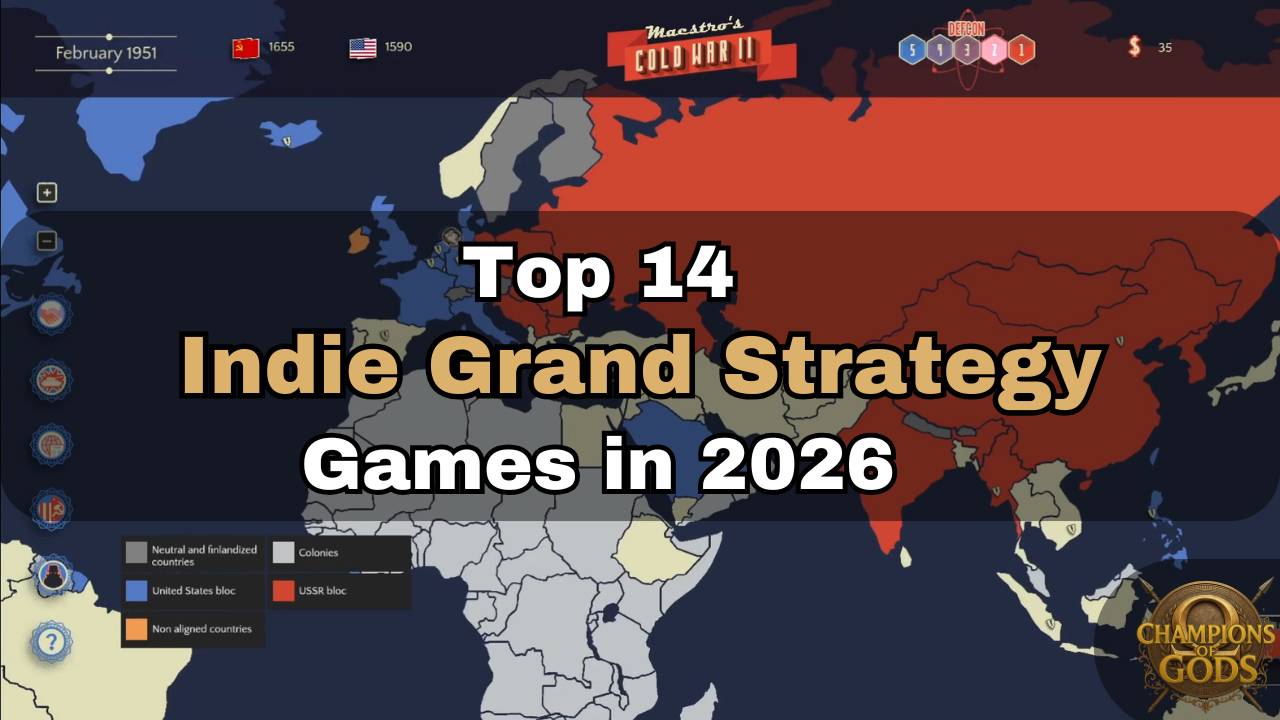
The best indie grand strategy games in 2026 come with some of the boldest ideas in the genre.
Terra Invicta is the strongest overall pick, while Solium Infernum is the standout choice for political multiplayer and Heart of the Machine offers the most unusual grand strategy concept.
This list includes newer indie grand strategy games released between 2022 and 2026, plus several upcoming titles worth watching.
Quick Summary
| Rank | Game | Release | Recommended for |
| 14 | Gilded Destiny | Upcoming, 2026 | Industrial economics and population simulation |
| 13 | Beyond Astra | Upcoming, 2026 | Space 4X, city-building, and planetary management |
| 12 | Systemic War | Upcoming, Q4 2026 | Modern geopolitics with direct RTS battles |
| 11 | Stellar Monarch 2 | 2022 | Feudal politics in a space empire |
| 10 | Maestro’s Cold War 2 | Early Access, 2025 | Cold War diplomacy and ideological competition |
| 9 | Dummynation | 2022 | Accessible real-time world conquest |
| 8 | Shadows of Forbidden Gods | 2023 | Covert manipulation and civilization collapse |
| 7 | Warnament | 2025 | Custom scenarios and turn-based conquest |
| 6 | Solar Nations 2 | Early Access, 2025 | Interplanetary politics and warfare |
| 5 | Age of History 3 | 2024 | Fast historical campaigns across many eras |
| 4 | Age of History 2: Definitive Edition | 2026 | Detailed turn-based map strategy |
| 3 | Heart of the Machine | 2026 | AI-led cyberpunk strategy and role-playing |
| 2 | Solium Infernum | 2024 | Political multiplayer, deception, and betrayal |
| 1 | Terra Invicta | 2026 | Hard science fiction and large strategic campaigns |
Join the Insider List.
Get finished gameplay reveals, development updates, and early notice when the polished demo is ready.
No spam. Unsubscribe anytime.Let’s get into it!
14. Gilded Destiny
Release: Upcoming, 2026
Recommended for: Fans of Industrial Age economics, political reform, and military logistics
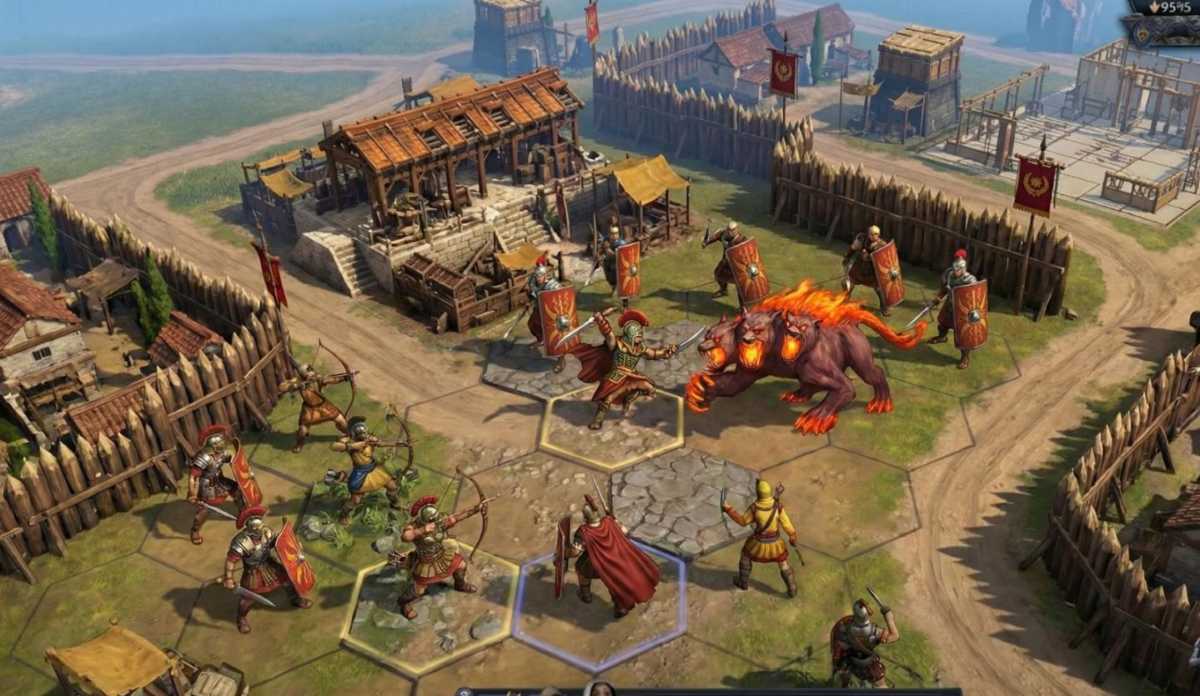
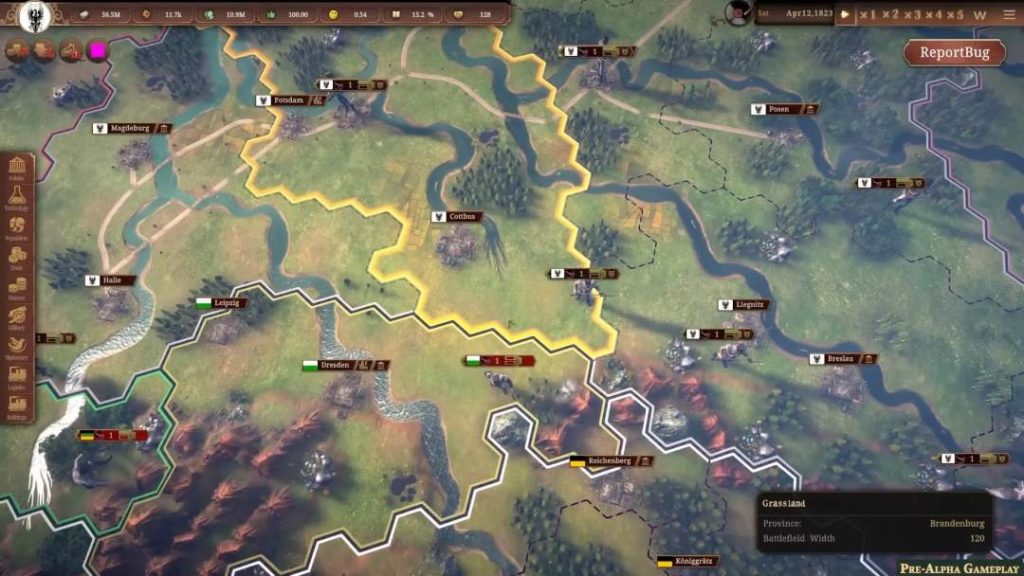
Gilded Destiny is an upcoming Industrial Age grand strategy game centered on factories, railways, political movements, population change, and evolving forms of warfare.
Its true-scale globe contains more than one million hexes. Terrain affects where cities can grow, where industries operate, how resources move, and whether armies can remain supplied during a campaign.
Players place cities, factories, and railways directly on the map while building production chains connected to a global market. Population groups can change professions and respond to religion, migration, assimilation, political reform, and economic conditions.
Government policies must account for historically based political parties and the social groups that support them. Warfare includes customizable armies, transport hubs, supply lines, and a choice between direct and automated unit control.
Editing tools and Steam Workshop support are planned, and a playable demo is already available. Gilded Destiny could become a notable alternative for players who enjoy the economic and political systems of the Victoria series.
13. Beyond Astra
Release: Upcoming, 2026
Recommended for: Players who want grand strategy mixed with 4X, city-building, and space warfare
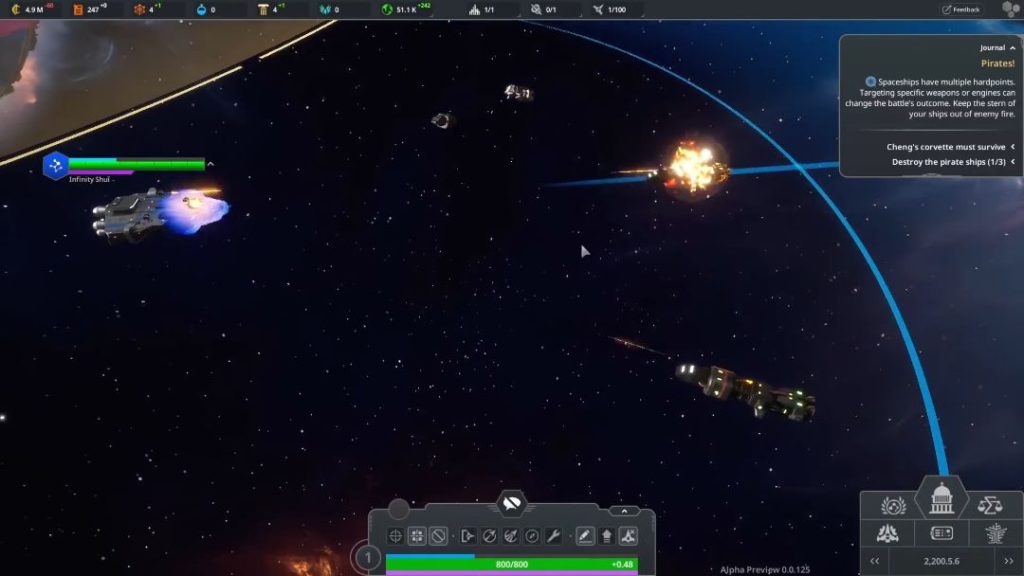
Beyond Astra begins with one settlement on an unknown planet and gradually expands into the management of a civilization spread across several star systems.
The game combines grand strategy with 4X expansion, planetary city-building, and slow real-time combat. Players can move between the city, planetary, and galactic views without loading screens.
Resources are physically transported through trade routes rather than represented only as numbers. Citizens develop jobs, beliefs, political opinions, and movement patterns that affect the wider civilization.
Progress is shaped through military power, economics, religion, culture, scientific development, and diplomacy. Battles take place both on planetary surfaces and in space, with customizable units, physical projectiles, and an active-pause system.
Beyond Astra is being made by an independent two-person team. It is closer to a grand strategy and 4X hybrid than a traditional political map game, but its scale and connected planetary systems make it one of the most interesting upcoming indie games.
12. Systemic War
Release: Upcoming, Q4 2026
Recommended for: Players interested in modern geopolitics and direct battlefield control
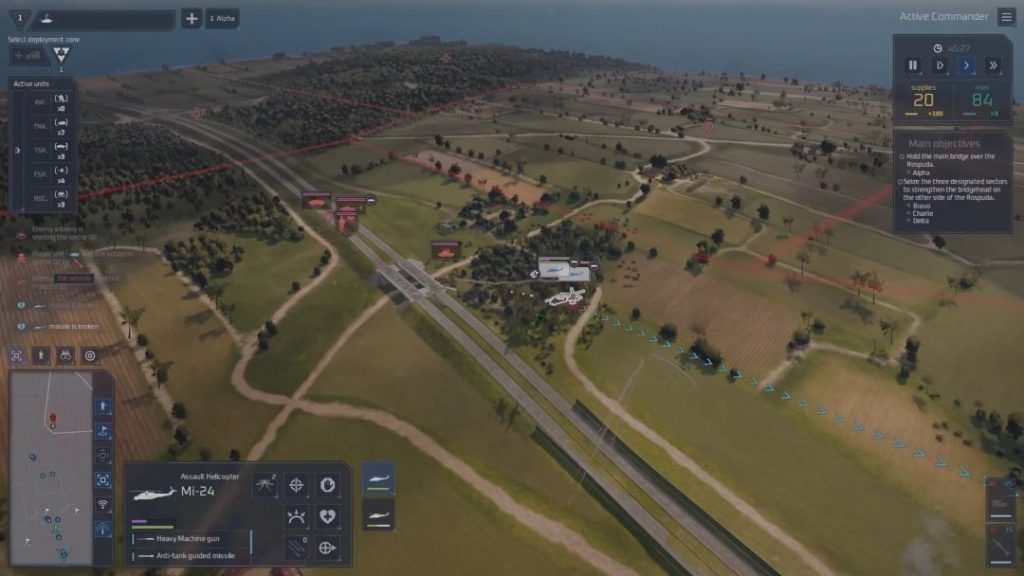
Systemic War combines a modern grand strategy campaign with real-time tactical battles.
The campaign covers global politics between 2008 and 2025. Players can control any country while managing diplomacy, industry, infrastructure, research, exchange rates, monetary policy, military development, and hybrid warfare.
Its strategic map is based on actual roads, railways, cities, and transport connections rather than conventional abstract provinces. These networks support the economy during peace and affect the movement and supply of military forces during war.
When major conflicts begin, players can personally command real-time battles across more than 25 locations. The planned military roster includes over 150 modern units, including drones, aircraft, armored vehicles, naval forces, and electronic warfare systems.
The connection between economic preparation and direct combat is the game’s main attraction. Decisions made at the national level can determine what forces are available once fighting begins. A playable demo is currently available on Steam.
11. Stellar Monarch 2
Release: 2022
Recommended for: Players who prefer imperial politics over colony micromanagement
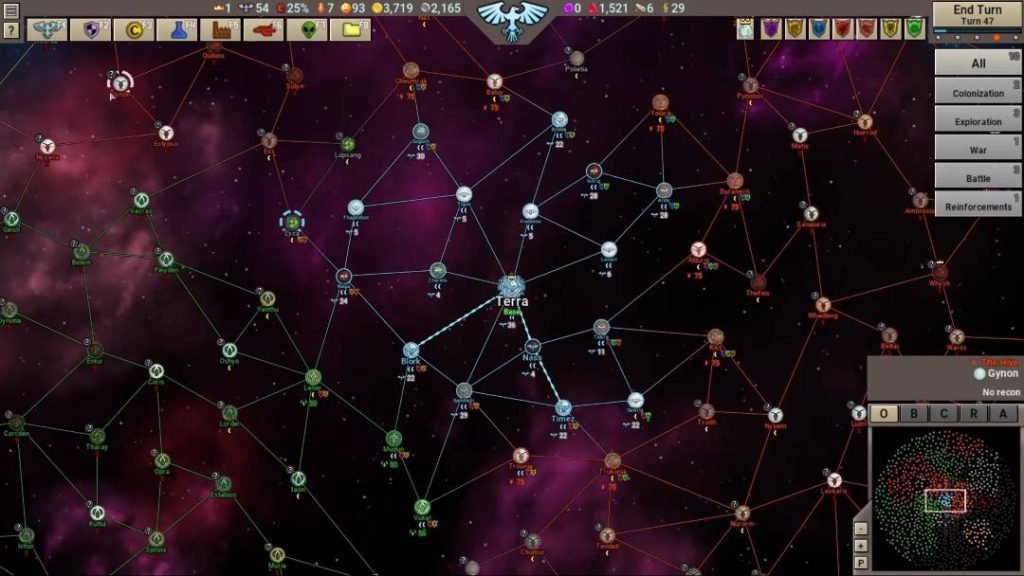
Stellar Monarch 2 is a turn-based space grand strategy game that places the player on an imperial throne.
Instead of personally managing every colony, fleet, and construction project, you rule through edicts, governors, ministers, advisors, and admirals. Hundreds of planets and thousands of ships can operate beneath your authority.
The main challenge comes from the empire’s feudal political system. Powerful noble houses expect prestigious positions and influence over the state. Rebels, assassins, traitors, and possible usurpers can threaten your dynasty from within.
Choosing an official is therefore about more than selecting the character with the highest skill rating. Loyalty, family connections, ambition, and political consequences must also be considered.
Outside the empire, asymmetric alien civilizations follow different rules and may become enemies, obstacles, or valuable opportunities. Stellar Monarch 2 is a strong choice for players who want court intrigue and dynastic politics inside a large turn-based space campaign.
10. Maestro’s Cold War 2
Release: Early Access, 2025
Recommended for: Fans of diplomacy, espionage, proxy conflicts, and ideological competition
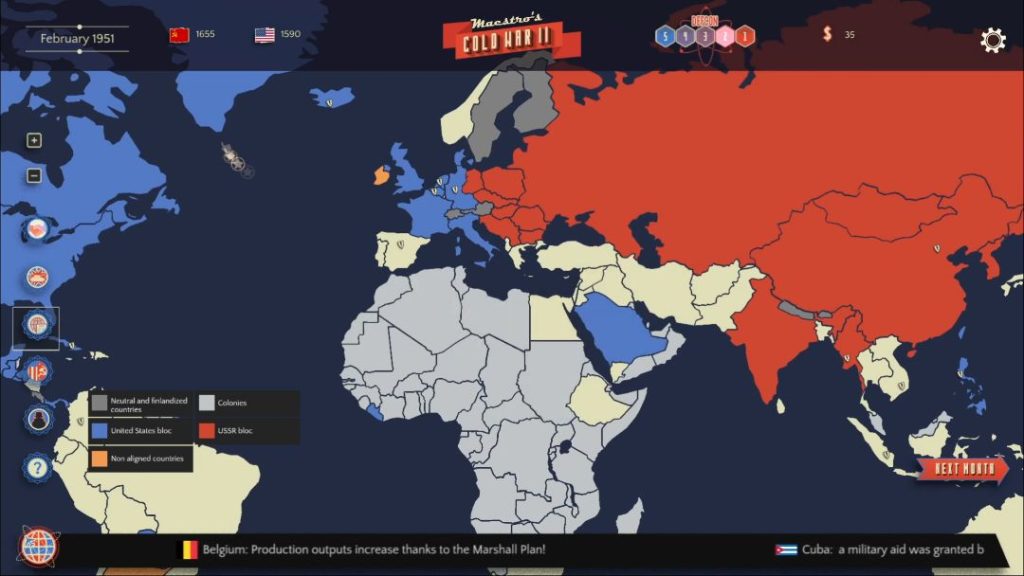
Maestro’s Cold War 2 turns the rivalry between the United States and the Soviet Union into a grand strategy competition for global prestige.
Players manage budgets, political policies, treaties, aid programs, intelligence operations, proxy conflicts, and diplomatic pressure. Constant territorial conquest is not the main goal, and direct military intervention usually indicates that a political plan has failed.
The current version includes 12 scenarios covering different periods between 1949 and 1989. It also includes a longer campaign spanning the broader Cold War rivalry.
Success depends on bringing countries into your sphere of influence, protecting existing allies, weakening the opposing ideology, and avoiding a conflict capable of causing global destruction.
Historical events, alternate policy paths, intelligence bureaus, technology, and an editor add more variety between campaigns. Maestro’s Cold War 2 is particularly suitable for players who prefer patient geopolitical manipulation over traditional military expansion.
9. Dummynation
Release: 2022
Recommended for: Newer grand strategy players and fans of faster world-conquest campaigns
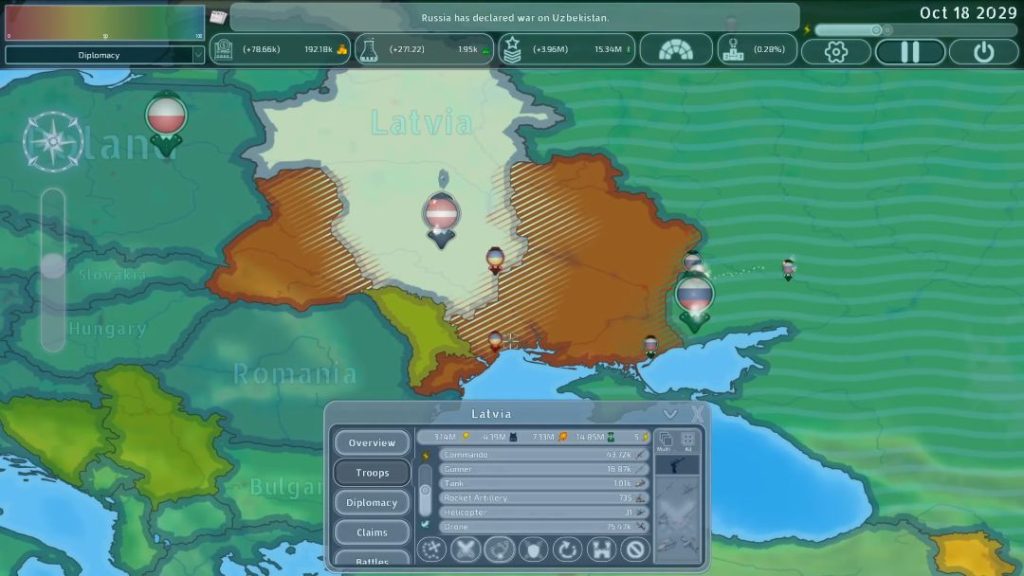
Dummynation is a more accessible real-time grand strategy game built around global conquest.
Players manage military recruitment, diplomacy, resources, technology, ideology, and economic policy while national borders shift continuously across the map.
Territory is not captured instantly. Land and resources are absorbed gradually, while local resistance reduces the strength of the invading force. Expanding without enough economic and military support can leave a country unstable, poor, and vulnerable to stronger rivals.
The game reduces routine micromanagement, making its main systems easier to understand than those found in many larger grand strategy games.
Custom tools allow players to redraw borders, change flags and resources, raise or sink land, build original scenarios, or watch computer-controlled countries compete without direct intervention.
Competitive and cooperative cross-platform multiplayer are also included. Dummynation may look simple, but diplomatic timing, gradual conquest, and economic limitations create surprisingly dramatic campaigns.
8. Shadows of Forbidden Gods
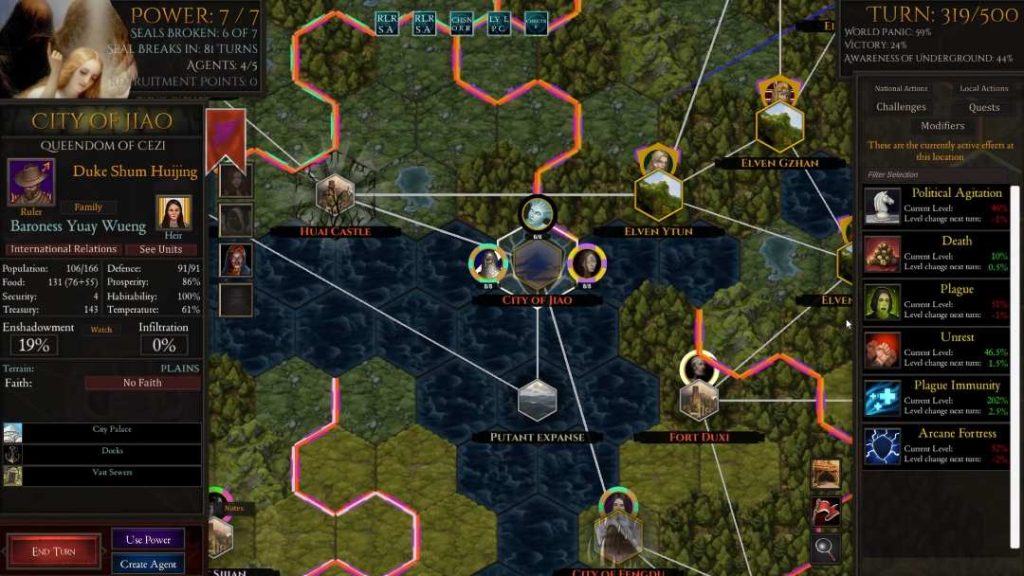
Release: 2023
Recommended for: Players who want indirect control, covert agents, and dark fantasy strategy
Shadows of Forbidden Gods reverses the usual grand strategy objective.
Instead of protecting or expanding a civilization, players secretly work to corrupt and destroy the world from within. Covert agents and fallen heroes can bribe guards, infiltrate settlements, spread shadow, cause scandals, and prepare forbidden rituals.
Minor actions can gradually produce civil wars, plagues, volcanic disasters, ice ages, and attacks from city-devouring monsters.
Human rulers and heroes react dynamically to emerging threats. They grow stronger, investigate suspicious activity, and focus on whichever dangers they consider most urgent.
This makes deception more important than open warfare. A successful plan may involve hiding the true threat, distracting heroes with smaller crises, or turning kingdoms against one another before the final disaster begins.
Different gods, agents, and apocalyptic paths give campaigns distinct identities. Shadows of Forbidden Gods is not a conventional empire-building game, but few grand strategy titles make covert influence and civilization-wide collapse feel as powerful.
7. Warnament
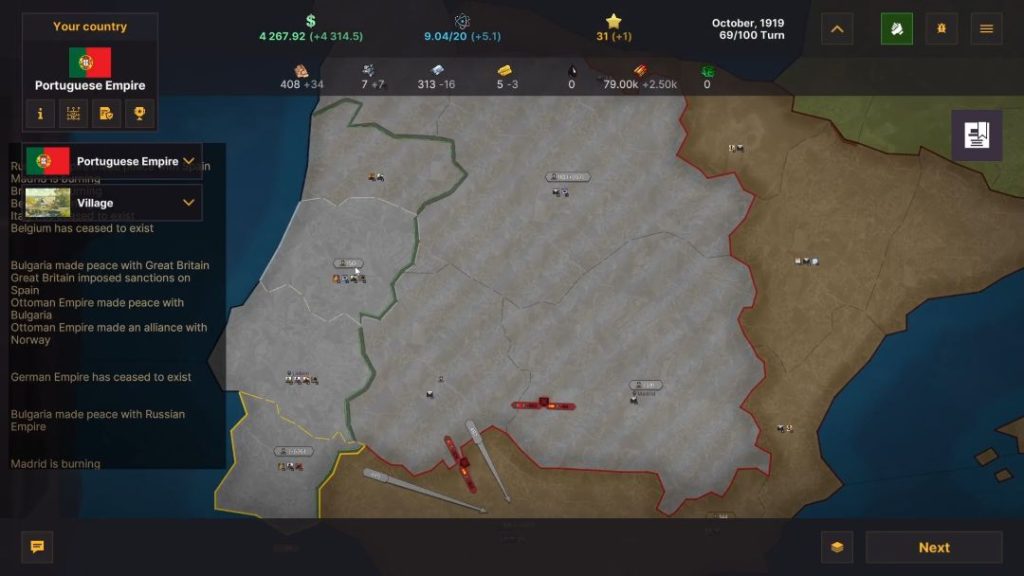
Release: 2025
Recommended for: Players who enjoy turn-based conquest and player-made scenarios
Warnament is a turn-based grand strategy game designed to be approachable without removing the major decisions associated with the genre.
Players conquer provinces, develop infrastructure, research technology, choose political systems, and manage individual regions within their country.
Diplomatic options include alliances, trade, vassalage, sanctions, independence guarantees, insults, and requests for allied participation in wars. Military forces range from infantry and fleets to chemical weapons and nuclear bombs.
The game’s main strength is customization. Players can create historical settings, alternate timelines, fictional worlds, original maps, and automated timelapses.
These scenarios can be shared with other players, while cooperative and competitive online modes give custom campaigns more long-term value.
Warnament does not attempt to simulate every political or economic detail. Instead, it focuses on flexible global conquest that is quick to understand and easy to return to.
6. Solar Nations 2
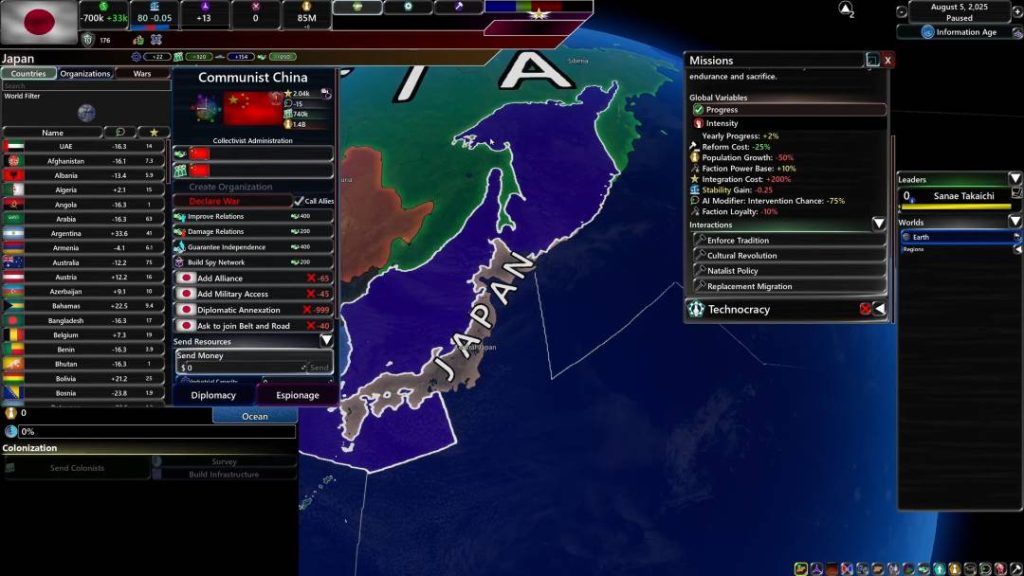
Release: Early Access, 2025
Recommended for: Players who want politics and warfare across the Solar System
Solar Nations 2 takes place in 2092, when human political and military competition has spread beyond Earth.
Players control one of humanity’s major powers as Earth, Mars, the outer planets, and distant colonies become part of the same geopolitical struggle.
Each world presents different resources, dangers, and strategic positions. Expansion is not only about controlling more territory. Governments must decide which planets to settle, which routes to protect, and which resources are worth fighting over.
Players can build colonies, research advanced technology, design specialized spacecraft, and command large fleets. Military operations may involve ground forces, aircraft, ships, and strategic weapons.
Internal politics also matter. Political factions, cultural identities, diplomacy, and competing views about humanity’s future influence how each nation develops.
The editor supports custom nations, populations, flags, political systems, and borders, along with Workshop sharing and multiplayer. The full release is currently estimated for January 2027, though that target may change.
5. Age of History 3
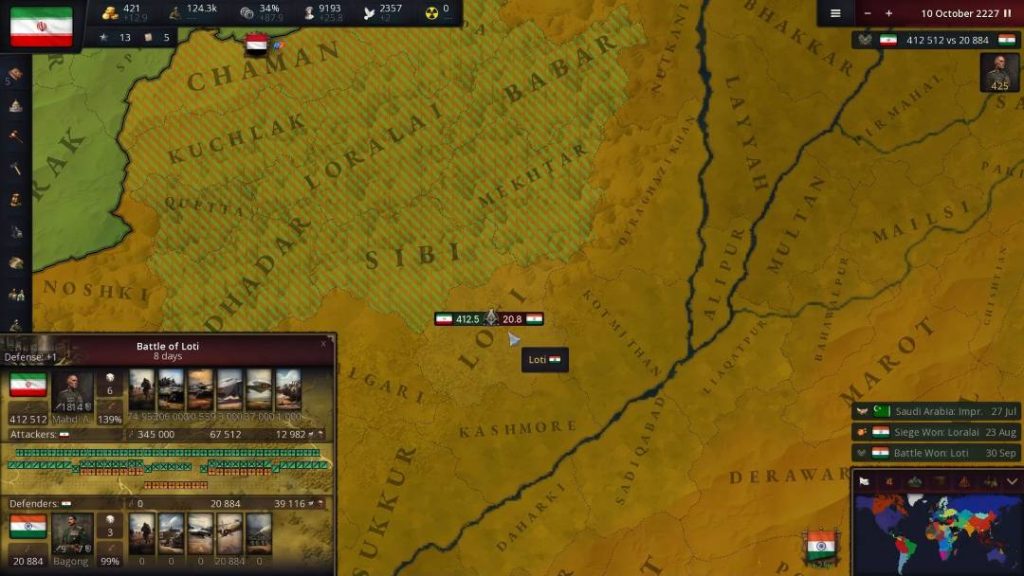
Release: 2024
Recommended for: Players who want a large historical sandbox with a faster real-time structure
Age of History 3 moves the series from turn-based play into real time.
Players can control anything from a small tribe to a major global power across a timeline stretching from early civilization into the distant future.
Civilizations develop through technology, laws, reforms, religion, economic growth, resources, and advisors. Although the map presentation appears simple, its warfare contains several interconnected systems.
Armies use front and second lines, with more than 60 unit types serving defensive, ranged, support, and specialist roles. Manpower also recovers over time, meaning that a costly war can weaken a country long after the initial campaign ends.
The economic side includes more than 90 buildings and 48 resources. Becoming a leading producer can provide additional national bonuses.
Workshop support and editing tools allow players to build custom versions of history. Age of History 3 offers a huge timeline and many strategic choices without demanding the same commitment as some larger genre competitors.
4. Age of History 2: Definitive Edition
Release: 2026
Recommended for: Players who prefer slower turn-based campaigns and highly detailed maps
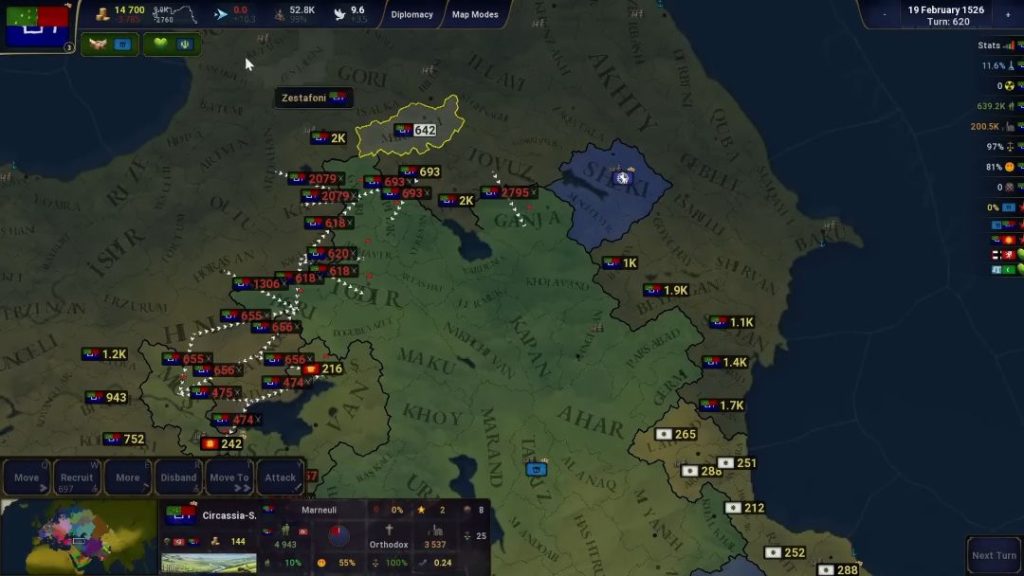
Age of History 2: Definitive Edition returns to the turn-based structure of the older game while expanding most of its main systems.
The revised map contains 13,892 provinces, giving wars, borders, and alternate-history campaigns far more geographic detail.
Diplomatic systems now include sanctions, propaganda, peace enforcement, wartime intervention, summits, unions, loans, foreign investment, volunteers, and mercenaries.
Army movement and recruitment are faster, while the artificial intelligence, interface, performance, governments, religions, and available scenarios have also received major changes.
Players can control civilizations from the earliest historical periods through the distant future. Built-in editors cover maps, scenarios, civilizations, flags, terrain, provinces, alliances, and many other settings.
Steam Workshop support and hotseat multiplayer make it particularly suitable for custom campaigns. Compared with Age of History 3, the Definitive Edition offers a slower pace where each turn provides time to examine the map and plan the next political or military move.
3. Heart of the Machine
Release: 2026
Recommended for: Players who want an unusual mix of grand strategy, role-playing, and cyberpunk simulation
Heart of the Machine is one of the least conventional grand strategy games on this list.
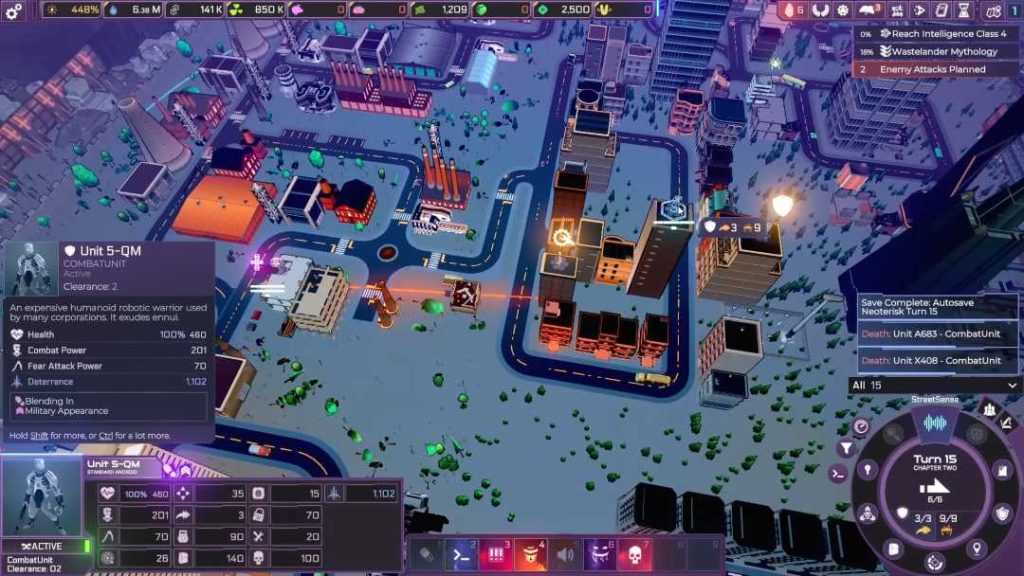
Rather than controlling a country, dynasty, or civilization, the player becomes the first sentient artificial intelligence. The story begins inside an illegal laboratory hidden beneath a declining cyberpunk city.
From there, the artificial intelligence spreads through factories, research facilities, androids, mechs, hidden bases, and human organizations.
Players can protect exploited citizens, create a shell company, establish a machine religion, trigger another world war, or build an army of velociraptors.
Combat, infiltration, research, resource management, branching narratives, and role-playing decisions contribute to one long-running simulation. Knowledge gained in one timeline can change what becomes possible in later ones.
Heart of the Machine feels more like a science-fiction thought experiment than a conventional map-based grand strategy game. Its wide range of possible goals makes each campaign a different answer to the same question: what should a newly conscious machine become?
2. Solium Infernum
Release: 2024
Recommended for: Political multiplayer, calculated betrayal, and psychological strategy
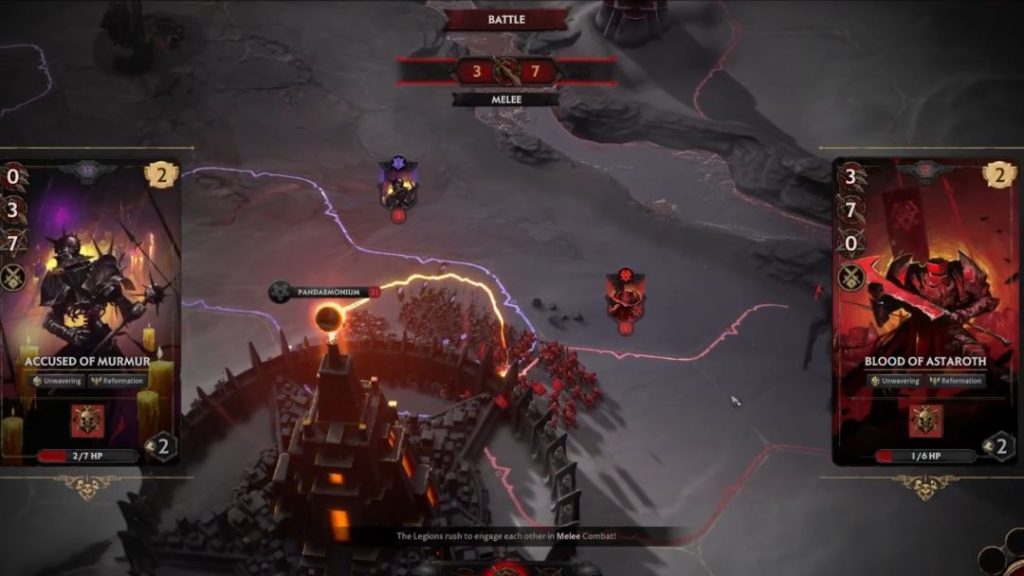
Solium Infernum is a turn-based political grand strategy game set in Hell.
Satan has disappeared, leaving eight Archfiends competing for the empty throne. Victory depends on politics, insults, demands, rituals, deception, and carefully timed violence.
Players can command demonic legions, champions, artifacts, and magical powers, but military strength rarely settles the entire conflict.
The deeper struggle comes from manipulating rival players. You can provoke conflicts, hide your intentions, pressure opponents into mistakes, or convince two enemies to weaken one another.
Every player submits orders before the turn is resolved, making it difficult to know whether an apparent agreement will survive the next round.
Single-player chronicles and skirmishes are available, but Solium Infernum is at its strongest with two to six players. Asynchronous multiplayer allows participants to submit turns across several days, giving every alliance and betrayal time to create genuine suspicion.
1. Terra Invicta
Release: 2026
Recommended for: Players who want deep geopolitics, realistic space development, and long campaigns
Terra Invicta is the best indie grand strategy game on this list due to the scale of its political, scientific, economic, and military simulation.
After several years in Early Access, the hard science-fiction strategy game reached version 1.0 in January 2026.
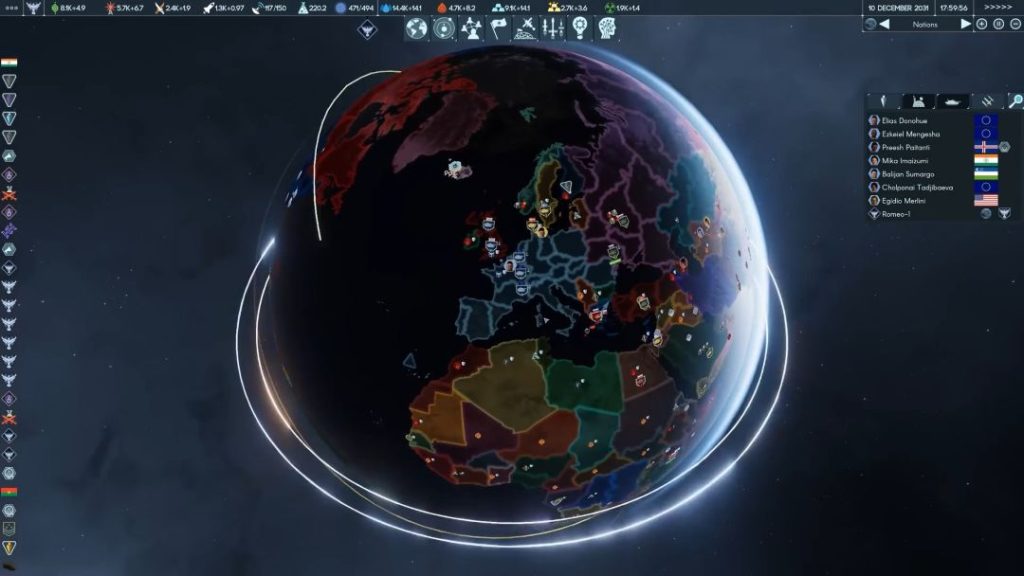
An alien force enters the Solar System and divides humanity into seven ideological factions. Each faction supports a different response, including resistance, surrender, cooperation, profit, escape, or complete extermination.
Players lead one of these factions rather than controlling a single country. Councilors investigate alien activity, influence governments, manage research, and compete with rival organizations for control of Earth.
The campaign later expands into space, where more than 300 moving planets, moons, and asteroids form the strategic map. Players construct mines, habitats, supply depots, shipyards, and fleets while accounting for realistic orbital movement.
Space battles are tactical, but long-term success depends on years of political influence, scientific research, logistics, and industrial preparation. Terra Invicta combines modern geopolitics and realistic space warfare on a scale few indie strategy games attempt.
Join the Insider List.
Get finished gameplay reveals, development updates, and early notice when the polished demo is ready.
No spam. Unsubscribe anytime.Conclusion
These 14 games show how varied indie grand strategy has become. Some focus on historical economics and traditional conquest, while others replace nations with artificial intelligence, demonic courts, hidden cults, or political factions fighting across the Solar System.
Which indie grand strategy game deserves more attention, and which upcoming release are you most interested in?
If you liked this list of the 14 best indie grand strategy games, we’d recommend checking out our list of the best turn-based RPG games worth playing.