
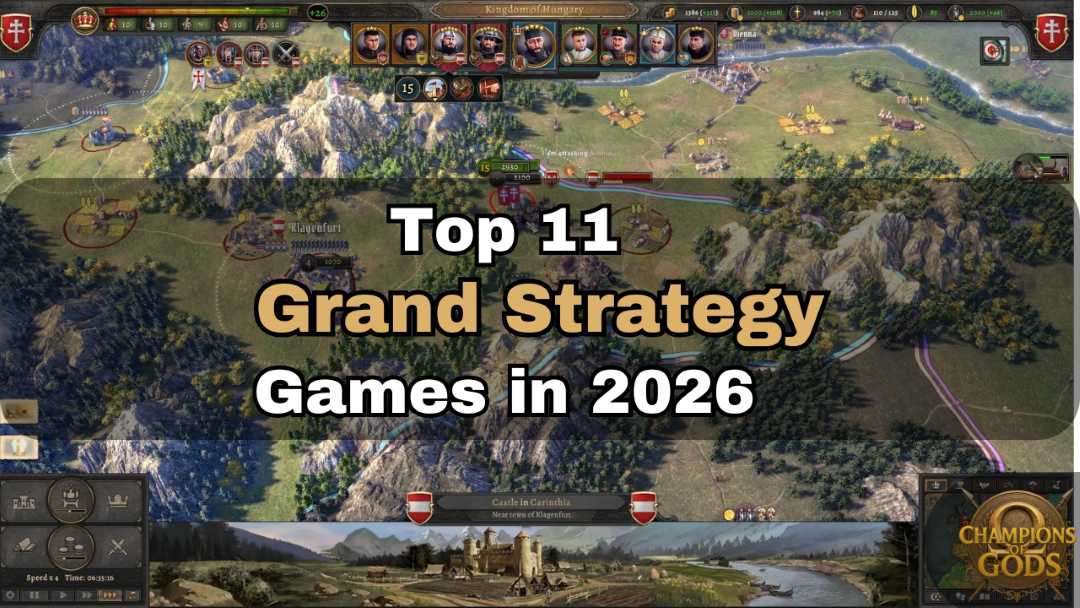
Grand strategy games put entire nations, economies, dynasties, and civilizations in your hands, often across decades or centuries.
This ranking covers the best grand strategy games in 2026, with a focus on newer releases and a few established genre leaders.
Terra Invicta is the best overall pick for deep geopolitics, space expansion, logistics, and fleet warfare.
Knights of Honor II: Sovereign is the most accessible medieval option, Victoria 3 leads in economics, Crusader Kings III in dynastic storytelling, and Solium Infernum in diplomacy and betrayal mechanics.
Let’s get into it!
Quick Summary
| Rank | Game | Status | Best for |
| 11 | Gilded Destiny | Upcoming | Industrialization and military logistics |
| 10 | Systemic War | Upcoming | Modern geopolitics and RTS battles |
| 9 | Solar Nations 2 | Early access | Interplanetary politics and colonization |
| 8 | Warnament | Available | Accessible turn-based conquest |
| 7 | Age of History 3 | Available | Fast historical sandbox campaigns |
| 6 | Age of History II: Definitive Edition | Available | Detailed turn-based strategy |
| 5 | Solium Infernum | Available | Diplomacy, deception, and multiplayer |
| 4 | Crusader Kings III | Available | Dynasties and emergent storytelling |
| 3 | Victoria 3 | Available | Economics, politics, and social change |
| 2 | Knights of Honor II: Sovereign | Available | Accessible medieval grand strategy |
| 1 | Terra Invicta | Available | Geopolitics and realistic space warfare |
Join the Insider List.
Get finished gameplay reveals, development updates, and early notice when the polished demo is ready.
No spam. Unsubscribe anytime.11. Gilded Destiny
Status: Upcoming
Best for: Industrial-era economics, social reform, and military logistics
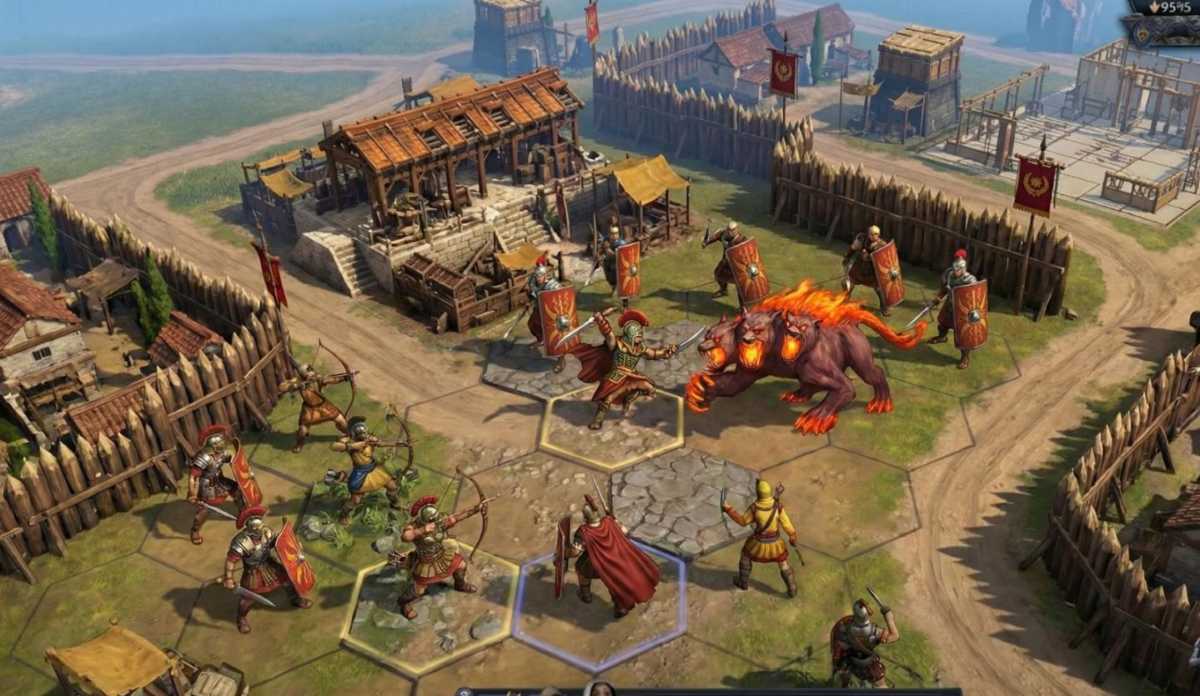
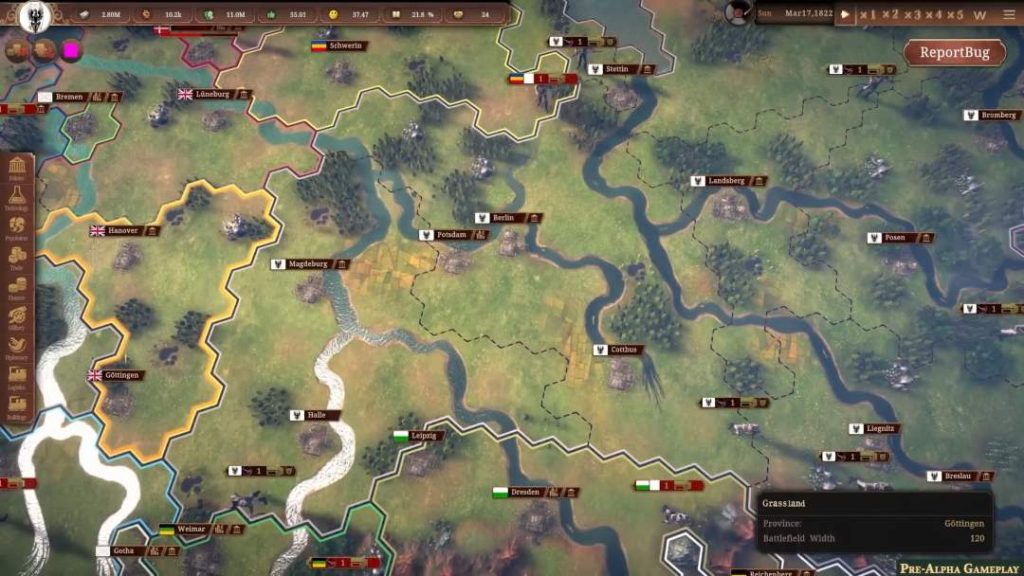
Gilded Destiny is an ambitious historical grand strategy game set during the Industrial Age.
Its world is represented as a true-scale globe built from more than one million hexes, making terrain central to economic and military planning.
Players will create production chains, compete in trade, expand cities, pass reforms, and guide populations as peasants become workers, engineers, and soldiers.
Industrial growth is closely connected to warfare.
Armies can be customized, supply lines must be protected, and transport hubs can determine whether a campaign succeeds.
Players will also be able to control units directly or automate military operations while concentrating on national management.
Because Gilded Destiny is still an upcoming indie strategy game, its quality remains unproven.
However, its combination of population simulation, industry, and hands-on warfare makes it one of the most promising alternatives to established historical grand strategy series.
10. Systemic War
Status: Upcoming
Best for: Contemporary geopolitics and direct real-time combat
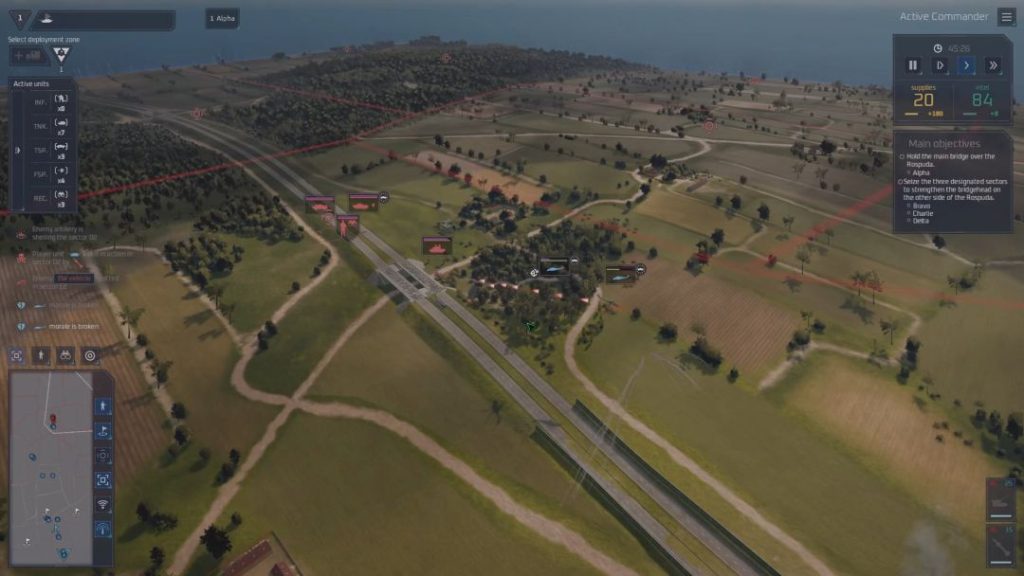
Systemic War brings grand strategy into the modern era, covering international conflict between 2008 and 2025.
Players control a contemporary country and manage diplomacy, industry, exchange rates, infrastructure, military power, and hybrid warfare.
When major conflicts begin, forces prepared on the campaign map can enter real-time strategy battles.
The planned game includes more than 25 handcrafted maps and over 150 modern units, with drones, reconnaissance, logistics, and electronic warfare playing important roles.
A weak economy may limit military options before combat begins, while a decisive loss can damage the wider national strategy.
Systemic War is highly ambitious and still has much to prove, but it is one of the few upcoming games combining present-day geopolitics with direct RTS combat.
9. Solar Nations 2
Status: Early access
Best for: Interplanetary politics, colonization, and independent grand strategy
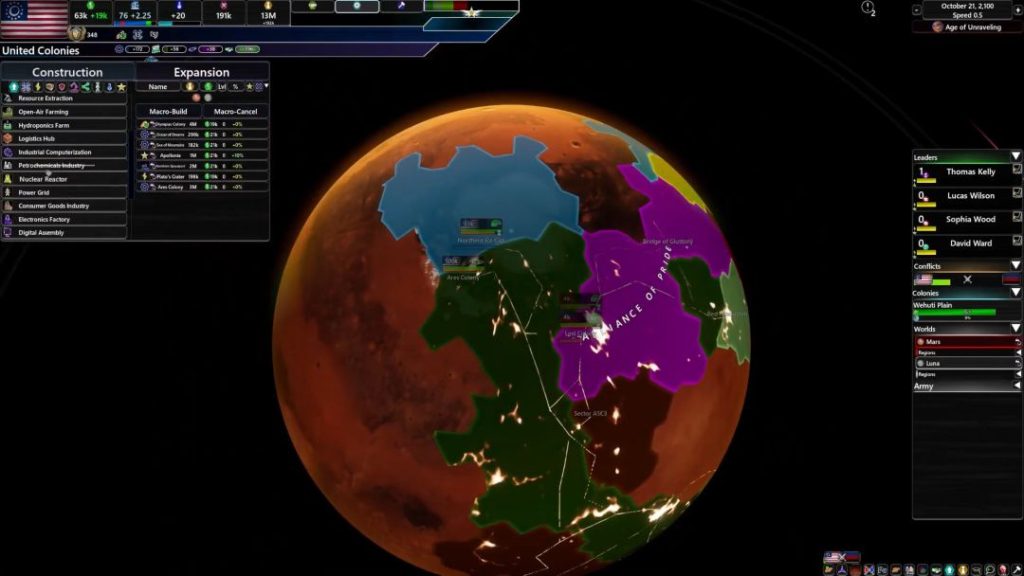
Solar Nations 2 begins in 2092 and turns the Solar System into a political, economic, and military sandbox.
Players guide a human power expanding beyond Earth while competing for resources, technology, territory, and influence.
Each region offers different opportunities.
Earth provides population and industry, Mars offers valuable resources, and the moons of the outer planets create new strategic frontiers.
Players can establish colonies, research technologies, design spacecraft, command fleets, and decide whether rival nations should be negotiated with or defeated.
Solar Nations 2 is smaller and rougher than the genre’s biggest releases, and its early-access status means it is still evolving.
Even so, its focus on human politics spreading across a recognizable Solar System gives it a distinctive identity.
8. Warnament
Status: Available
Best for: Beginners, alternate history, and customizable campaigns
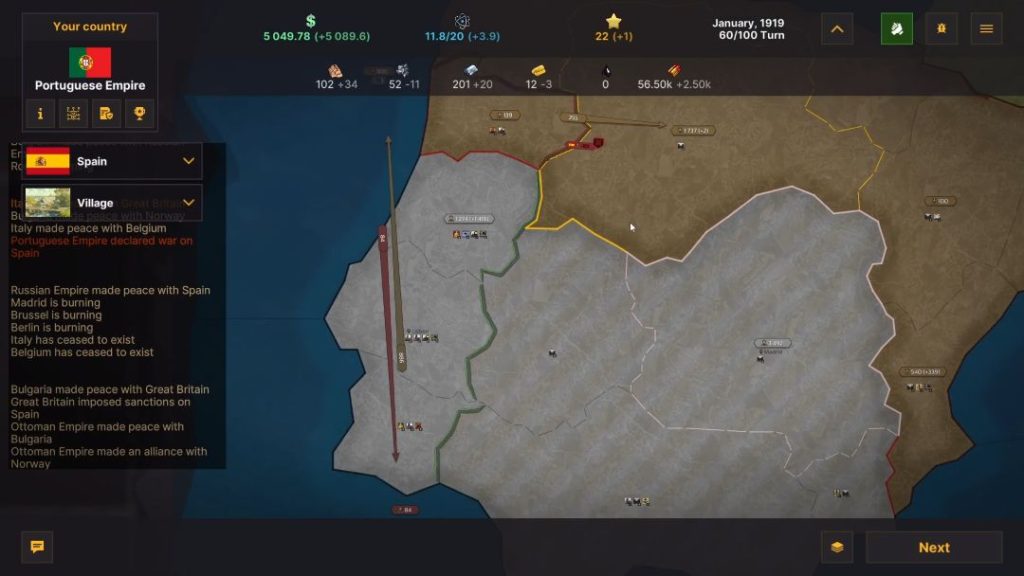
Warnament is a turn-based grand strategy game designed to be approachable without removing meaningful decisions.
Players choose a country, expand province by province, research technology, shape government policy, and decide whether diplomacy or warfare will drive their rise.
International options include alliances, trade, sanctions, guarantees, vassalage, and involving friendly nations in larger conflicts.
Warnament’s strongest feature is customization.
Its editors support original maps, historical scenarios, alternate timelines, and fictional worlds that can be shared with other players.
The game does not simulate politics or society as deeply as Victoria 3 or Crusader Kings III.
Instead, it prioritizes clear decisions, faster campaigns, replayability, and easy access to global conquest.
That makes Warnament one of the best grand strategy games for beginners who want clear systems, faster campaigns, and accessible global conquest.
7. Age of History 3
Status: Available
Best for: Broad historical campaigns and faster real-time progression
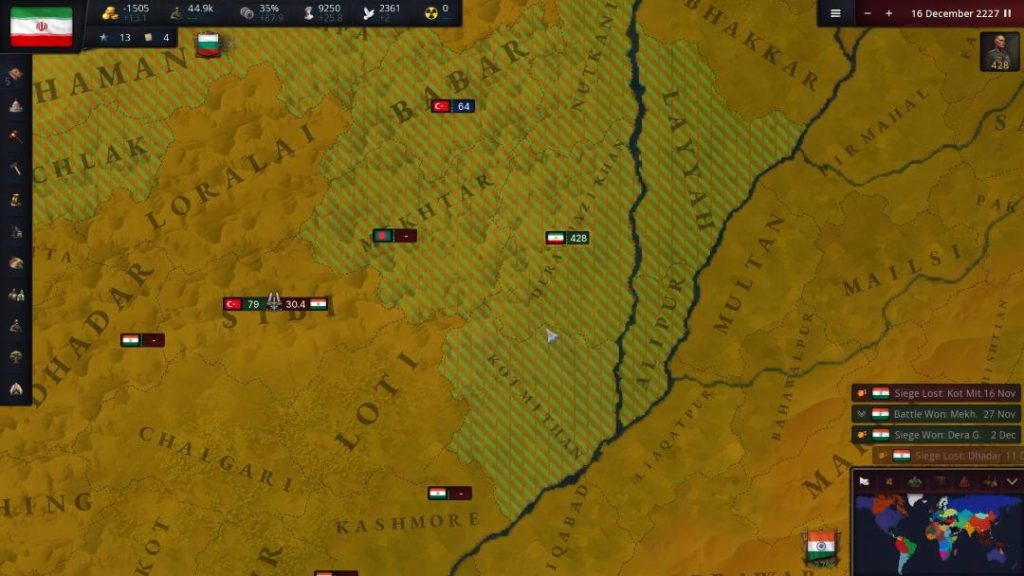
Age of History 3 moves the series into a faster real-time structure while keeping its enormous historical scope.
Players can lead anything from a small tribe to a global empire across a timeline stretching from early civilization into the distant future.
Technology unlocks stronger units and buildings, while laws, reforms, religion, resources, and advisors shape national development.
Armies use front and second lines, with more than 60 unit types filling different roles.
Manpower also matters, so a costly victory can leave a nation too weak for its next war.
Age of History 3 is less politically detailed than the largest Paradox games, but it offers a huge sandbox, quick progression, and the freedom to turn a minor country into a major power.
6. Age of History II: Definitive Edition
Status: Available
Best for: Deliberate turn-based conquest and custom scenarios
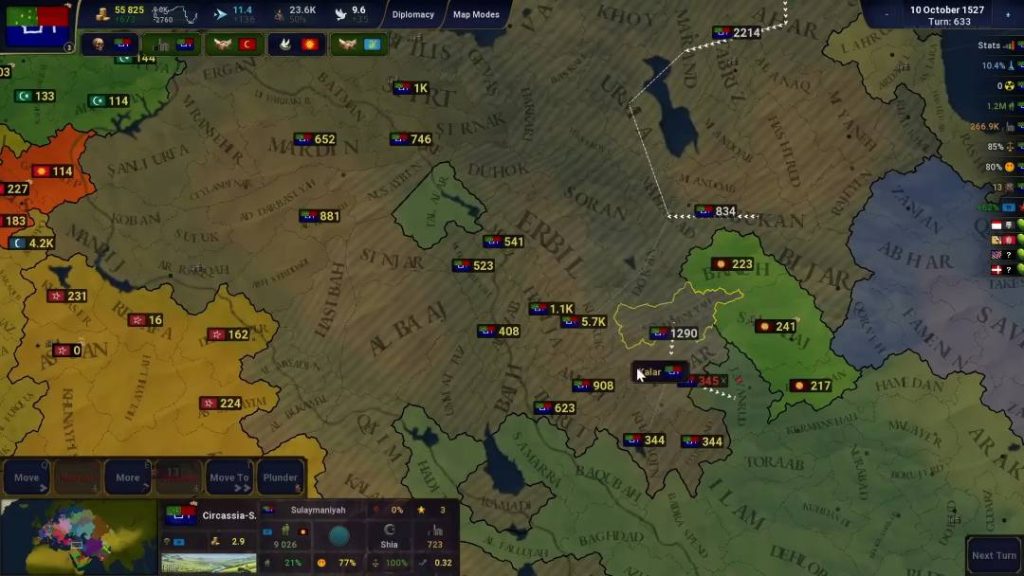
Age of History II: Definitive Edition modernizes the original while preserving its slower turn-based design.
Its map contains 13,892 provinces, creating detailed borders and giving wars and alternate-history campaigns an impressive scale.
Diplomacy includes sanctions, peace enforcement, wartime intervention, propaganda, summits, loans, unions, volunteers, mercenaries, and foreign investment.
The Definitive Edition also improves artificial intelligence, performance, army movement, recruitment, and the interface.
Players can explore historical scenarios, create campaigns, download Steam Workshop content, or play local hotseat multiplayer.
Compared with Age of History 3, this version is more methodical.
Every turn gives you time to study the map, prepare diplomatic moves, and plan the next border change.
It lacks the deeper social simulation of Victoria 3, but its accessibility, detailed map, and editing tools make it an excellent choice for turn-based grand strategy fans.
5. Solium Infernum
Status: Available
Best for: Political deception, betrayal, and asynchronous multiplayer
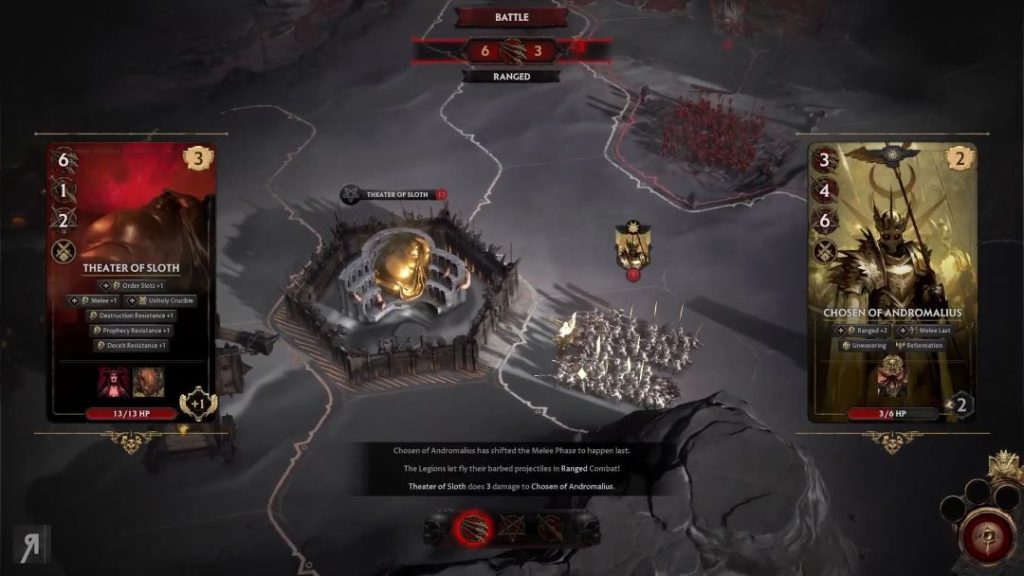
Solium Infernum begins after Satan disappears and leaves the throne of Hell empty.
Eight Archfiends compete to claim it, but this is not a conventional conquest game with a dark fantasy theme.
Politics are the real battlefield.
Players issue demands, trade insults, cast rituals, manipulate infernal institutions, command demonic legions, and provoke rivals into useful conflicts.
Military strength matters, but information and timing are often more powerful.
The simultaneous-turn system makes every decision dangerous because all players act before the results are revealed.
Solium Infernum is especially effective in multiplayer, including asynchronous matches where participants submit turns over several days.
Winning a war is satisfying, but persuading another player to trust you before destroying their position is far more memorable.
For players who value manipulation over straightforward expansion, Solium Infernum is one of the genre’s most distinctive experiences.
4. Crusader Kings III
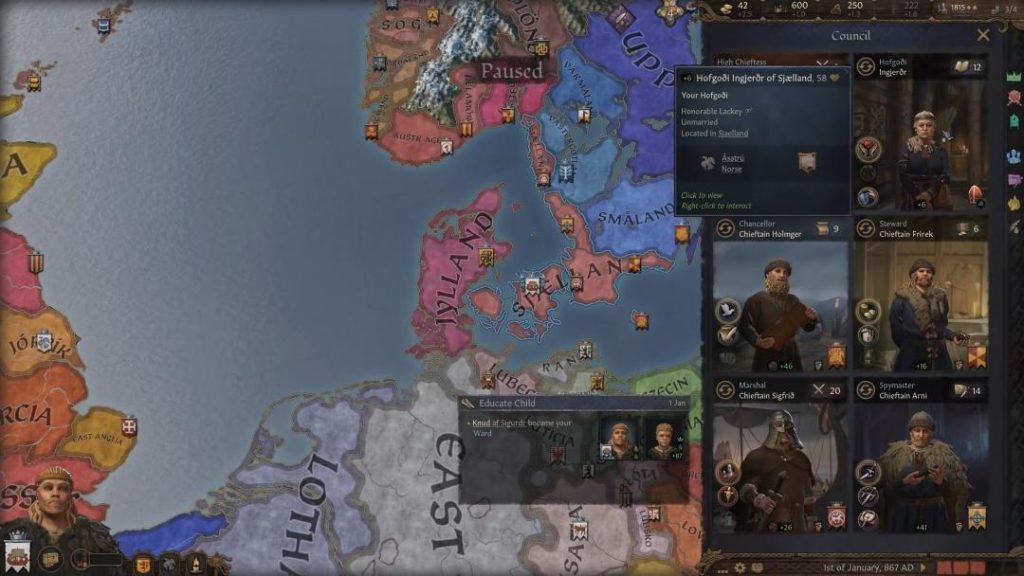
Status: Available
Best for: Dynastic politics, characters, and emergent stories
Crusader Kings III asks players to protect a dynasty rather than simply manage a country.
You guide a medieval family across generations through marriages, alliances, wars, titles, betrayals, religion, and succession crises.
Every ruler has personality traits, relationships, ambitions, and weaknesses.
A strategically perfect decision may cause stress, anger powerful vassals, or conflict with the ruler’s character.
Players can murder rivals, arrange marriages, blackmail nobles, reform faiths, and watch a stable kingdom collapse because the wrong heir inherited it.
Death does not normally end the campaign.
Control passes to the next playable family member, who inherits both the achievements and mistakes of previous generations.
Crusader Kings III is not the strongest economic simulator here, but no other entry creates personal drama as consistently.
These character-driven systems make Crusader Kings III one of the best grand strategy games for dynastic storytelling and emergent role-playing.
3. Victoria 3
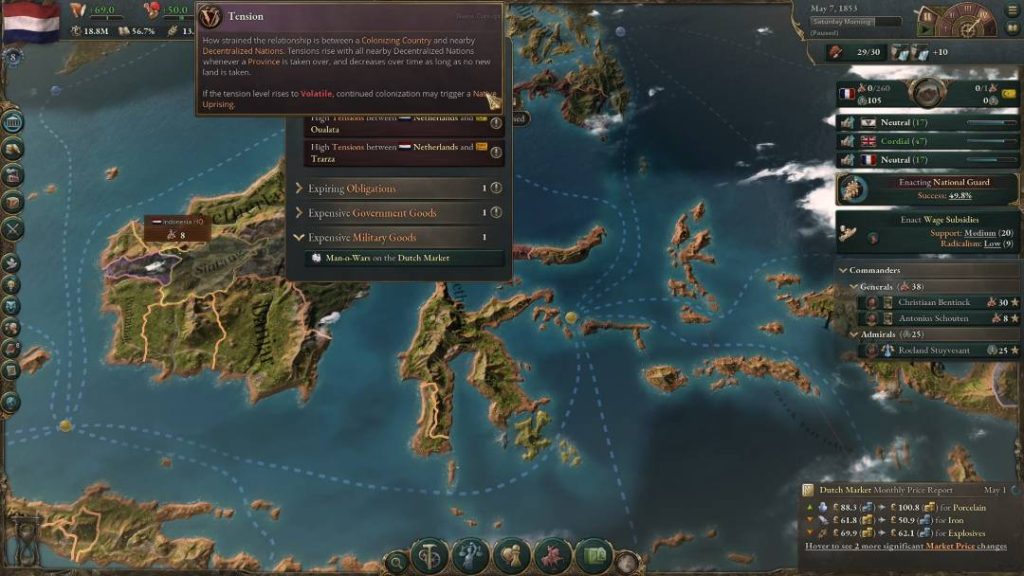
Status: Available
Best for: Economics, industrialization, politics, and social change
Victoria 3 is built for players who find factories, trade routes, demographics, and political reform as interesting as warfare.
The campaign runs from 1836 to 1936, covering industrialization, nationalism, imperial expansion, and social upheaval.
Every population group has employment, needs, beliefs, and political interests.
Building a factory therefore does more than increase production.
It can create a working class, raise demand for resources, change wages, strengthen political movements, and generate pressure for new laws.
Players manage production chains, taxes, trade, institutions, technology, diplomacy, and competing interest groups.
Warfare is more abstract than in many strategy games, with greater emphasis on preparation, supply, and economic consequences.
That will not suit players seeking direct battlefield control.
However, few games connect economic development and social transformation as effectively.
Victoria 3 stands out because every major industrial decision can eventually reshape the society that made it possible.
2. Knights of Honor II: Sovereign
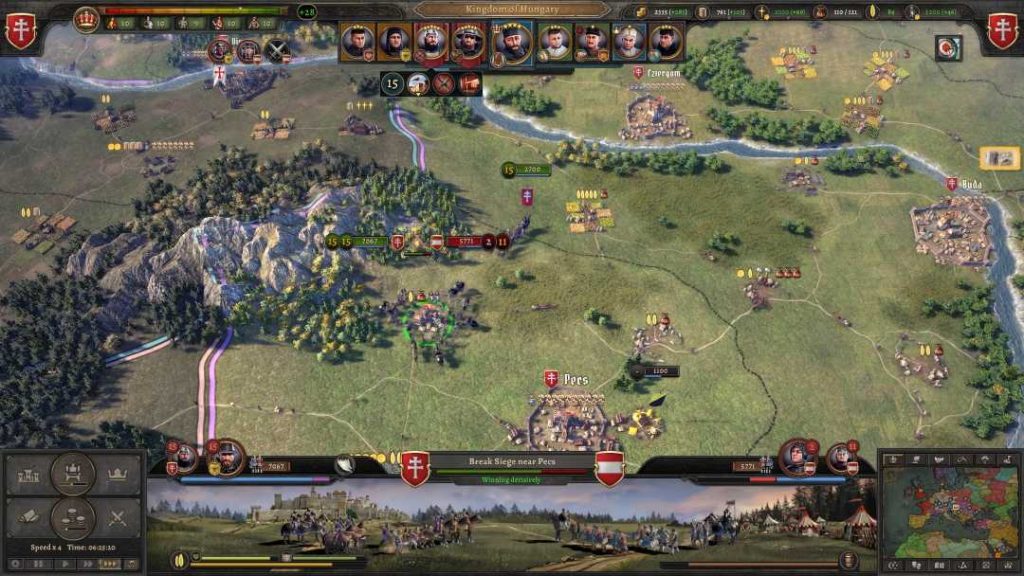
Status: Available
Best for: Accessible medieval grand strategy with direct battles
Knights of Honor II: Sovereign offers serious grand strategy without one of the genre’s most intimidating interfaces.
Players can choose from more than 200 medieval kingdoms across Europe, North Africa, and parts of Asia, then guide their realm in real time.
The royal court is the center of national management.
Marshals lead armies, diplomats arrange agreements, merchants improve trade, clerics influence religion, and spies can bribe officials, cause rebellions, or turn neighbors against each other.
Players also develop provinces, produce valuable goods, and maintain an economy capable of supporting expansion.
When war begins, battles can be resolved strategically or played directly through real-time field engagements and sieges.
Knights of Honor II is not as character-driven as Crusader Kings III or as economically complex as Victoria 3.
Its strength is balance.
It combines politics, development, espionage, and warfare in an understandable format, making it one of the best entry points into medieval grand strategy.
1. Terra Invicta
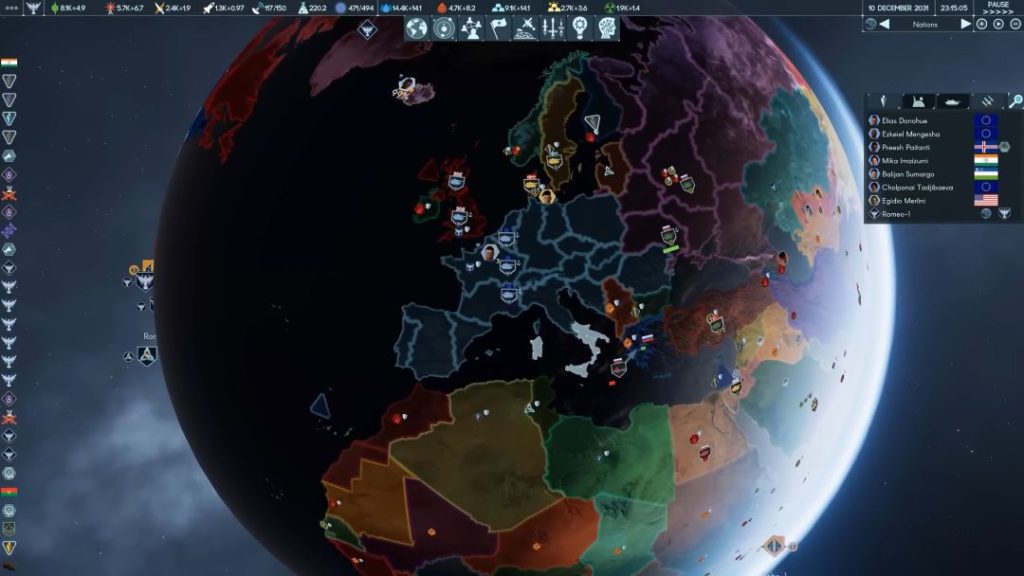
Status: Available
Best for: Deep geopolitics, hard science fiction, and realistic space warfare
Terra Invicta takes the top spot because it connects global politics, covert influence, research, colonization, logistics, and tactical fleet combat on an exceptional scale.
The campaign begins after an alien arrival divides humanity into seven ideological factions with different plans for the future.
Rather than controlling one country, players lead a transnational organization.
They recruit councilors, investigate alien activity, influence governments, direct research, and compete for national institutions.
The campaign eventually expands beyond Earth.
Players establish mines and habitats, secure resources, colonize moons and asteroids, design spacecraft, and build fleets around realistic orbital movement.
Space battles are tactical, but they are usually won through years of political preparation, scientific progress, industry, and logistics.
Terra Invicta has a steep learning curve and extremely long campaigns.
For players willing to master its complex systems, Terra Invicta is one of the best indie grand strategy games in 2026 for depth, scale, and realistic space warfare.
Join the Insider List.
Get finished gameplay reveals, development updates, and early notice when the polished demo is ready.
No spam. Unsubscribe anytime.Conclusion
These games show how varied grand strategy has become, from industrial nations and medieval dynasties to infernal politics and interplanetary war.
Terra Invicta is the strongest overall choice for depth and scale, while Knights of Honor II: Sovereign is easier for newcomers.
Victoria 3 leads in economics, Crusader Kings III in storytelling, and Solium Infernum in diplomacy and betrayal mechanics.
The best choice depends on what you want to control: a country, a dynasty, a political faction, or humanity’s future.
If you liked this list, be sure to check out our list of the best 4x games available on PC.